

Why Food Creators Need You to Order Ahead
Food creators often ask customers to order 24–48 hours ahead so they can plan production, control costs, and reduce waste. But when advance ordering is the only way to buy, it can leave out people who discover the food today and want to eat it now.

Kudirat Ijeoma
Founder & CEO, Reelnosh
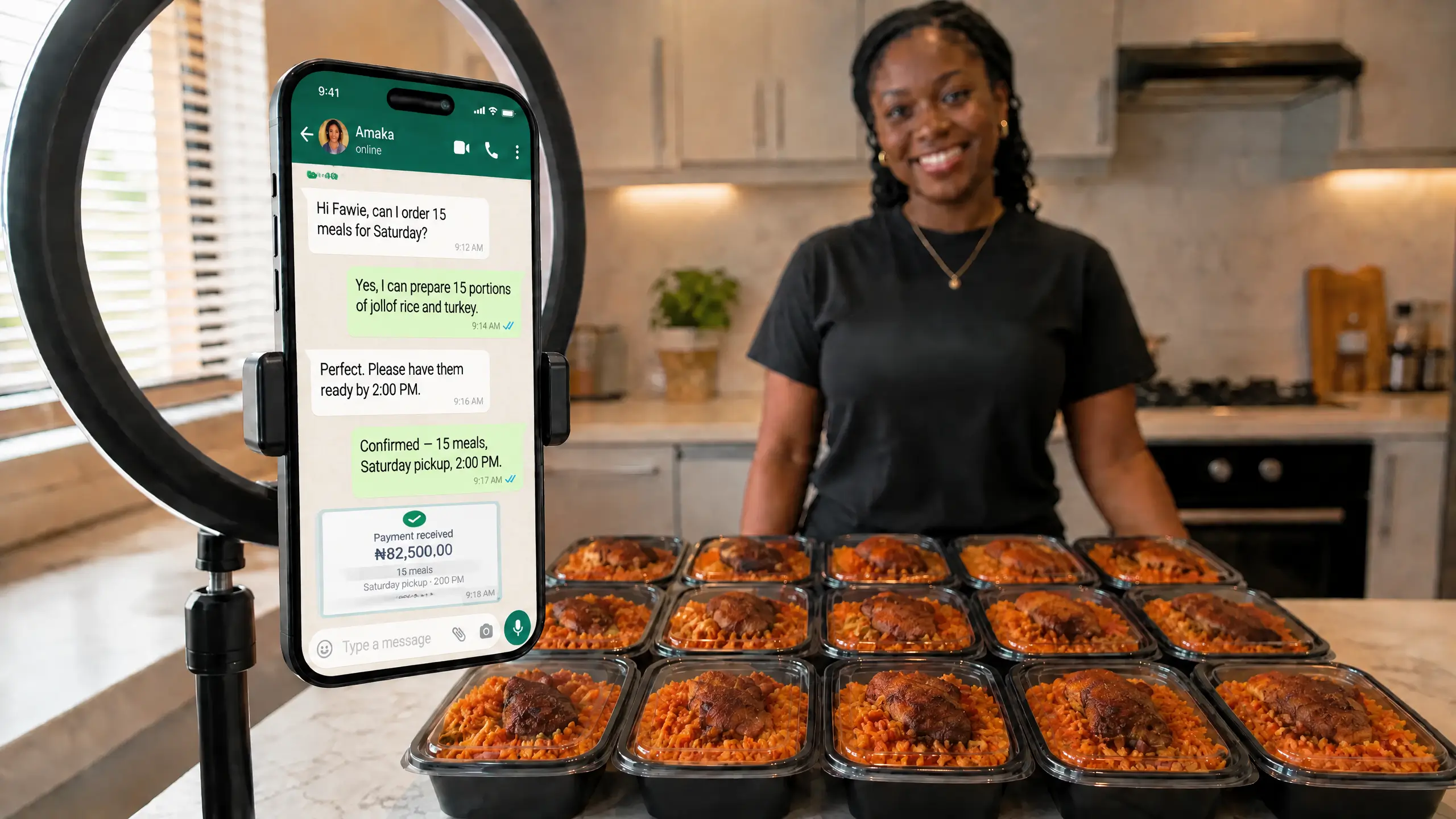
Food creators have to make every meal count. Ingredients, preparation, packaging, and delivery all cost money, while unsold food can quickly become waste.
That is why ordering ahead makes sense. But what happens when someone sees the food today and wants it today?
Why Creators Ask You to Order Ahead
Producing food without knowing how much will sell is risky. A creator may need to buy ingredients, prepare meals, package them, and arrange delivery before knowing how many customers will order.
That is why batching and a 24–48 hours preorder window can be practical. Orders come in first. Production happens after.
This helps the creator decide:
- How much food to prepare
- How much to spend on ingredients
- How much packaging to buy
- Whether the production run will be profitable
Food also has a limited shelf life. Producing too much can mean wasted ingredients, time, and money.
Batching and advance ordering are not careless choices. They are ways of making sure the creator does not spend more money preparing food than customers are willing to pay for.
The Customers This Model Serves
A preorder model can work well for many customers.
Some people are happy to plan ahead and place an order 24 or 48 hours before the food is available. They can organise their schedule around the ordering window and wait for the next production cycle.
Others buy food in larger quantities. They may want prepared meals for several days, a family gathering, or an entire event.
The model can also work for birthdays, anniversaries, parties, and other occasions where customers already know what they need and when they need it.
These are real customer needs.
The creator is meeting them by giving customers a clear ordering window and using those orders to plan production.
But not every customer discovers food that way.
The Customer Who Wants the Food Now
There is another kind of customer.
They see a meal on their phone and immediately want to try it.
They were not planning to order food that day. They were not looking for catering. They were not preparing for an event.
They simply saw something they wanted.
Their question is straightforward:
“I saw it. I want it. Can I get it today?”
They may ask:
- “How much?”
- “Can I order one?”
- “Is it available today?”
But a 24–48 hours preorder window does not serve that kind of demand.
The problem is not necessarily that the customer cannot pay.
The problem is timing.
By the time the next preorder window opens, the customer may have moved on. By the time the next batch is ready, they may have found something else to eat.
This is one reason the difference between attention and intent matters. A person may enjoy seeing the food, while another person may be ready to ask about price, availability, or ordering. Those signals should not all be treated as the same kind of demand.
The Cost of Saying “Not Now”
One missed order may not seem significant.
But the same thing can happen repeatedly:
- One person asks today.
- Another person asks tomorrow.
- Someone else asks next week.
- Each person is told that the next order requires advance planning.
Eventually, some customers may stop asking.
They may begin to assume that:
- the food is never available when they want it;
- ordering is too difficult;
- the creator only serves planned or bulk orders;
- their kind of demand is not important;
- there is no point trying again.
The first missed order is visible. The future orders are not.
The first missed order is visible. The future orders are not.
A customer who has been turned down once may still try again. A customer who repeatedly cannot buy may simply stop considering the business.
A declined order does not always mean a guaranteed future sale was lost. But repeated rejection can affect whether a customer tries again, remembers the creator, or becomes a customer in the first place.
The creator may be protecting today’s production from waste while unknowingly making it harder to capture tomorrow’s demand.
One Person Today Can Reveal a Bigger Pattern
An immediate order can look like an isolated request.
But repeated requests may reveal an underserved customer group.
The creator may be measuring the business correctly by asking:
“How many confirmed orders do I have before production?”
That is an important question.
But there is another:
“How many people want this meal but cannot fit their need into my ordering system?”
That is the difference between confirmed demand and demand the current system cannot serve.
A person who asks to order immediately may not be ready to commit to a bulk purchase. They may not be available during the preorder window. They may simply want to try one meal first.
That does not make their demand irrelevant.
It means the current model may not be designed for it.
This distinction also connects to the broader question of predictable demand for food creators: understanding not only who eventually places an order, but what people are signalling before an order ever happens.
Protecting Every Meal Can Still Cost You Customers
A creator can be disciplined about production and still miss opportunities to serve people.
Avoiding one extra meal may prevent waste. That is a rational decision.
But if the creator has no way to serve immediate buyers, the business may also miss:
- first-time customers;
- repeat orders;
- spontaneous purchases;
- referrals;
- opportunities to test new meals;
- customers who could later become bulk or event buyers.
The answer is not to prepare unlimited food and hope someone buys it.
That would simply move the risk from the customer to the creator.
The better question is:
Does every customer have to fit the same purchasing pattern?
A business can be careful about what it produces and still leave some demand unserved.
Not Every Customer Wants a Bulk Order
Bulk buyers are valuable.
Planned orders are valuable.
Event customers are valuable.
But they are not the only customers who matter.
Some people want food because they are hungry now. Others want to try a meal before committing to a larger order. Some discover a creator through a single post and are ready to make a small purchase immediately.
These customers may eventually become regular buyers, bulk customers, event customers, or advocates.
But they may never reach that point if their first attempt ends with a rejection.
The opportunity is not to treat immediate demand as more important than planned demand.
It is to recognise that they are different use cases that may require different ways to buy.
The Opportunity Is Not to Abandon Preorders
The opportunity is not to abandon batching or the 24–48 hours preorder model.
Both may remain the most responsible way to produce the majority of meals. They can continue to reduce waste, improve planning, and help creators manage their costs.
The opportunity is to create another path for immediate demand.
This is where Reelnosh enters the conversation.
Reelnosh is exploring how food creators can serve the moment when someone sees a meal and wants to eat it now, not in 24 hours, not in 48 hours, and not only as part of a bulk order or event.
This does not require creators to abandon their current operation.
A creator can continue selling from home, serving existing customers, taking bulk orders, accepting event bookings, or operating through any channel that already works for them.
The Reelnosh Drop is designed to explore an additional layer: a limited way to make a creator’s food available to people who have seen it and want to order it.
See the food. See the Drop. Order a serving. Get the meal.
Possible approaches could include:
- a small number of ready-to-eat meals;
- a limited same-day Drop;
- a premium price for immediate orders;
- a waiting list for high-demand meals;
- a minimum order threshold;
- a rotating “available now” menu;
- a small test batch based on repeated customer requests;
- a system that records people who asked but could not order.
The goal is not to make every meal available immediately.
It is to avoid forcing every customer into a 24–48 hours preorder journey when some customers are ready to buy now.
This is consistent with the broader idea of real-world creator commerce: helping the food a creator already makes reach people in a way that supports, rather than replaces, the creator’s existing work.
From Rejected Demand to Useful Signal
Every question about price, availability, or ordering contains information.
A customer who asks:
“Can I get this today?”
is expressing a different kind of demand from someone who says:
“This looks good.”
Both responses matter, but they should not be treated as equivalent.
The first may reveal:
- purchase readiness;
- preferred timing;
- serving size;
- location;
- willingness to pay;
- a problem with the current ordering model.
Even when the creator cannot fulfil the order, the signal can still be recorded.
Over time, repeated signals may show whether an immediate-service option is worth testing.
This is where food content becomes meals: not by turning every view into a sale, but by creating a clearer path between seeing the food and being able to eat it.
The Business Is Not Only Selling Meals
A creator needs to know whether a meal is worth producing.
That question is necessary.
But the creator also needs to understand the people around the food:
- What kinds of customers am I attracting?
- Which customers am I excluding?
- What happens after someone is told no?
- How many people stop asking?
- Am I protecting today’s margin at the expense of tomorrow’s relationship?
- Is my ordering model helping demand grow or teaching people not to expect me?
A meal is one purchase.
A customer relationship is not.
The purchase tells the creator what one order brought in. The relationship may determine whether that customer returns, refers someone else, places a larger order, or becomes part of the creator’s community.
Conclusion: Protect the Margin, Expand the Market
Batching and 24–48 hours preorders can reduce waste, improve planning, and protect the economics of each meal.
But a business can be operationally disciplined and commercially incomplete at the same time.
a business can be operationally disciplined and commercially incomplete at the same time.
The immediate-order customer is not necessarily asking the creator to abandon batching or preorders. They may simply be revealing a use case the current model does not serve.
Reelnosh’s opportunity is to explore a controlled way to capture some of that immediate demand while preserving the benefits of advance ordering and the creator’s existing operation.
Because the risk is not only that one person cannot buy one meal today.
The larger risk is that enough people are repeatedly told “not now” until they stop asking altogether.
Batching and advance ordering can protect the economics of each meal. A flexible ordering model can help protect the future demand around it.
Reelnosh
Where food content becomes meals.
Stay close to what
we're building.
Join the Foodies Club on WhatsApp for early Drop updates, food conversations, and a say in the experiences we explore.
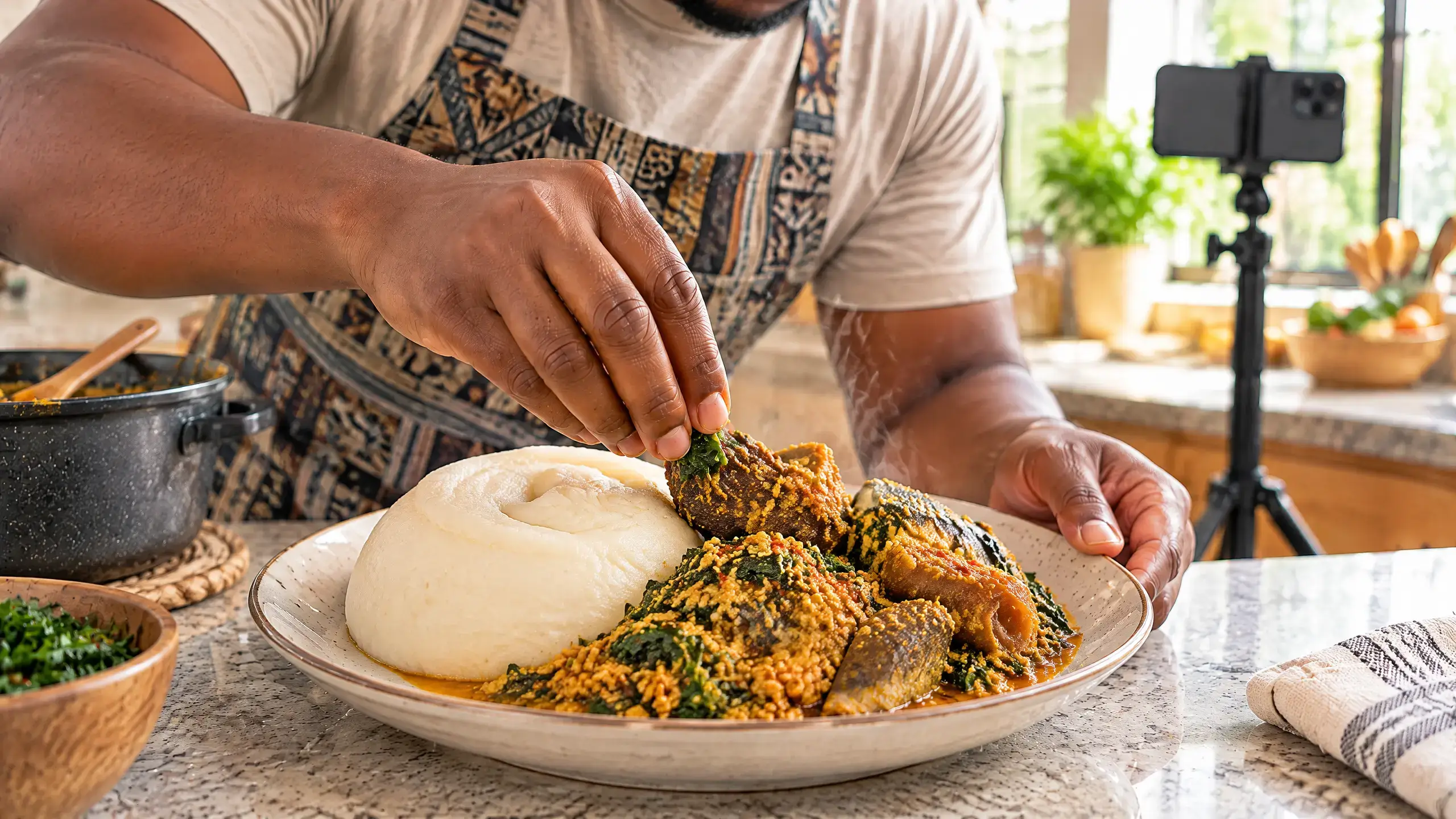
Why We're Not Building Delivery Yet
Reelnosh is choosing to understand the food experience before building delivery infrastructure around it.
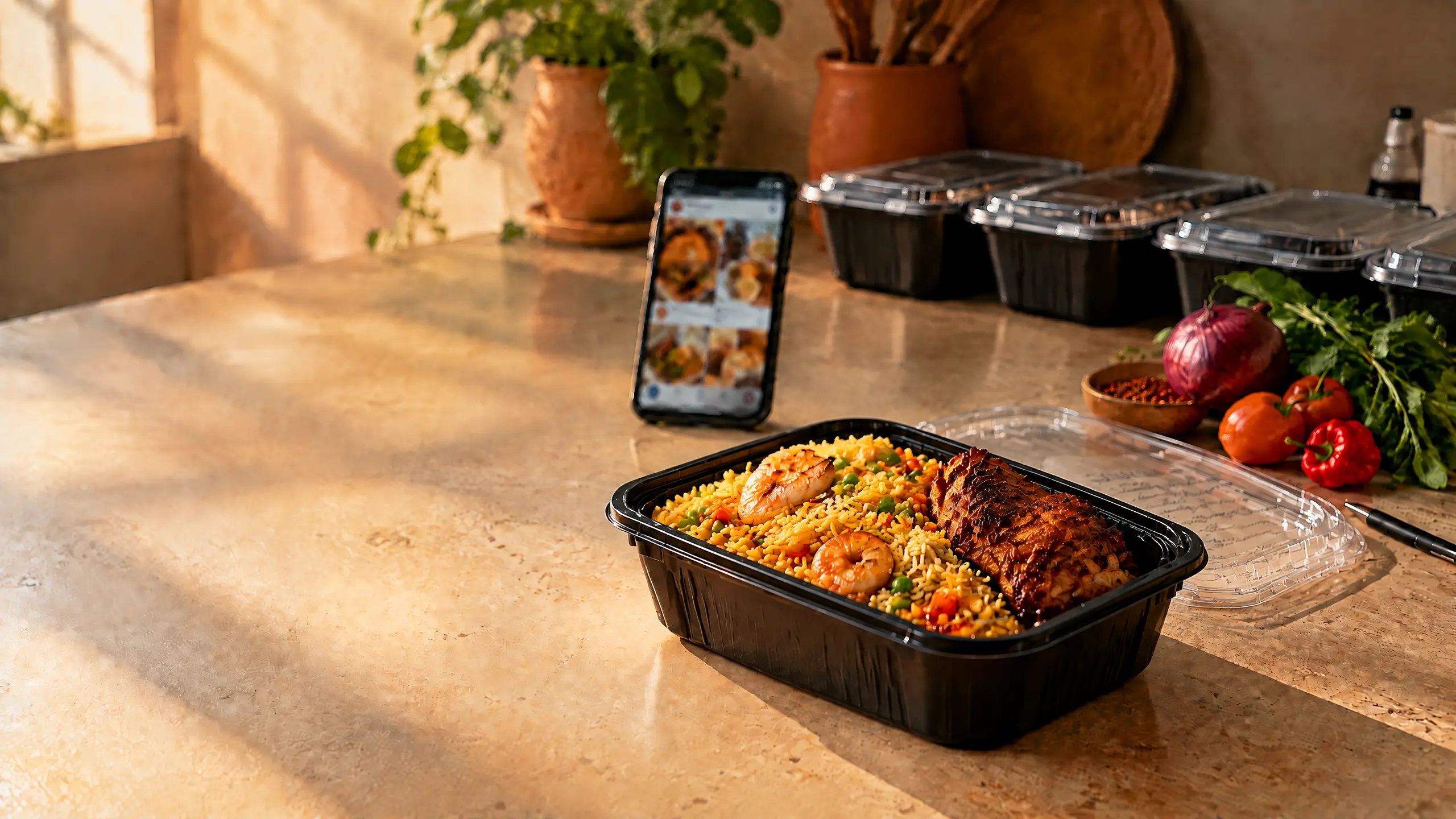
What Predictable Demand Could Mean for Food Creators
What if creators could understand how many people actually want their food before they make it? Predictable demand could change how culinary creators think about cooking, selling, and building sustainable food businesses.
Why Food Content Never Became Meals (Until Now)
For years, Nigerian food creators have built massive audiences watching them cook. But turning views into hot meals has always fallen apart.