

The Creator Economy Needs Real-World Commerce
Digital tips and ad revenue are fickle. Helping culinary creators build their own sustainable physical food brands is our core mission.

Kudirat Ijeoma
Founder & CEO, Reelnosh
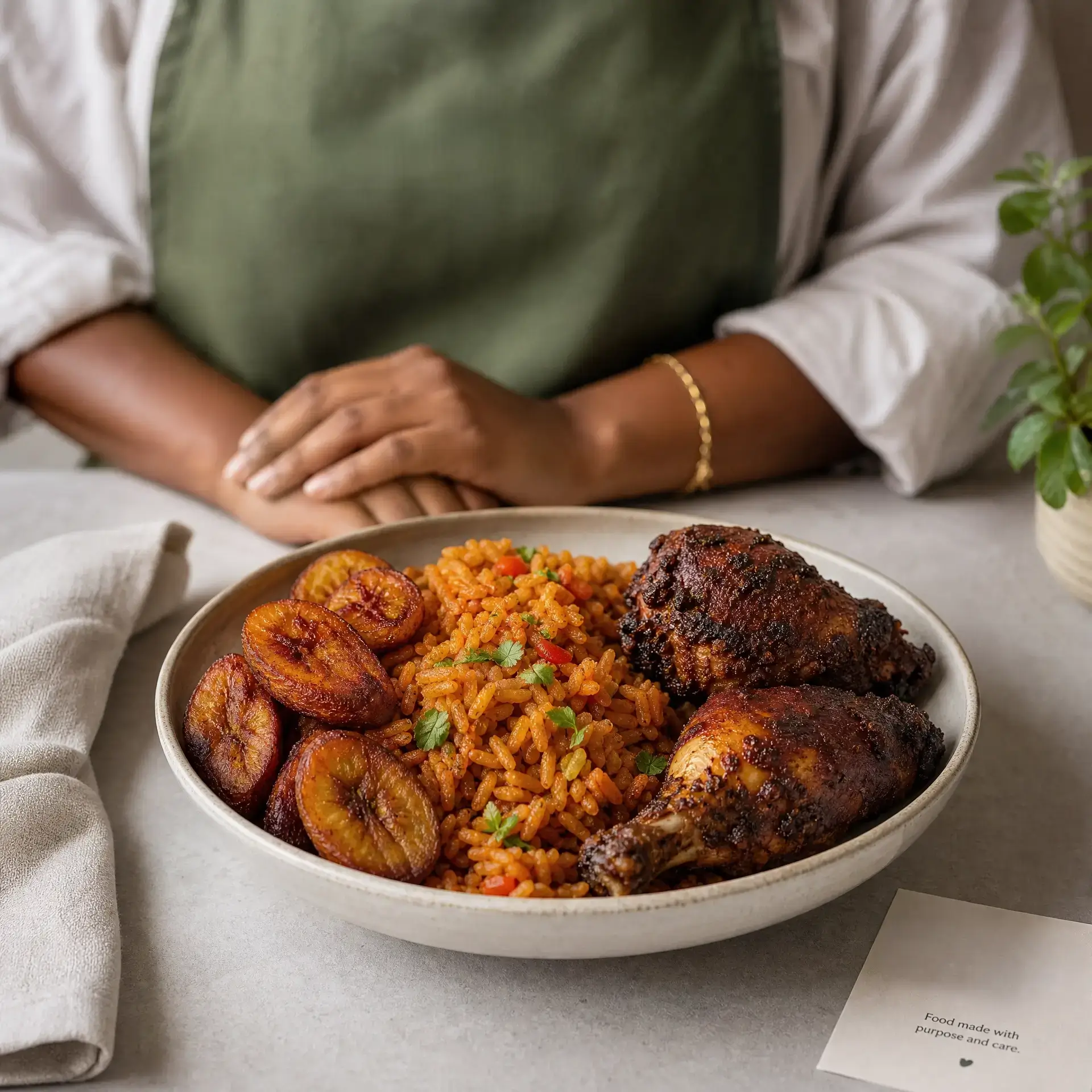
The creator economy has become exceptionally good at turning attention into digital revenue.
Creators can earn through sponsorships, affiliate links, advertising, subscriptions, tips, memberships, and brand partnerships. Entire businesses have been built around helping creators monetize their audiences online.
But for culinary creators, there is a physical product sitting at the center of everything they create.
The food.
A creator can spend hours developing a recipe, preparing a meal, filming it, editing the video, and sharing it with thousands of people.
Someone watches.
They save it.
They comment:
“I need this.”
And then, often, nothing happens.
The content ends where the possibility of commerce could begin.
That gap is what Reelnosh is interested in.
The Creator Economy Has Learned to Monetize Attention
The internet has given creators unprecedented ways to build audiences.
A creator can turn their knowledge, personality, creativity, or expertise into a digital business without owning a traditional media company.
For many creators, this has been transformative.
But digital monetization can also be dependent on factors creators don't completely control.
Algorithms change.
Reach fluctuates.
Platform policies change.
Ad rates move.
Brand budgets come and go.
Affiliate revenue depends on someone clicking a link and completing a purchase.
Even a creator with a highly engaged audience can find themselves asking:
How do I turn the thing I actually create into something people can buy?
For culinary creators, that question is particularly interesting because they already create something physical.
They create food.
Moving beyond affiliate links
Creators create appetite.
Reelnosh explores how to turn that appetite into something people can actually buy.
Affiliate links can be useful. Brand partnerships can be valuable. Sponsorships can create meaningful income.
But these models often place another company's product between the creator and the audience.
The creator recommends.
The audience clicks.
Another business fulfills the transaction.
What if the creator could instead participate directly in the commerce generated by their own culinary work?
Imagine a creator posts a meal and people respond:
“I need this.”
Instead of that interest disappearing into a comment section, the meal could have somewhere to go.
A Reelnosh Drop gives that interest a path toward an actual meal.
The creator makes the food.
People who want it can order a limited number of servings.
The creator earns from the food they genuinely create.
The relationship moves beyond recommendation and toward participation.
Food Is Different From Most Content
A creator can produce a video about a product without ever making that product themselves.
A culinary creator is different.
Their content is often inseparable from what they make.
The recipe.
The ingredients.
The preparation.
The technique.
The finished plate.
The food is not simply the subject of the content.
The food is not simply the subject of the content.
The food is the creation.
That creates an opportunity that is easy to overlook when we think about the creator economy primarily through the lens of digital media.
A food creator isn't only building an audience.
They can potentially build a physical food brand around what that audience already wants.
From Audience to Customer
An audience is valuable.
But an audience that wants to participate in what a creator makes represents something different.
Consider the journey:
-
Discovery
Someone sees the food.
-
Interest
They become interested.
-
Desire
They want to try it.
-
Action
They become a customer.
-
Retention
They experience the food.
-
Loyalty
They come back for more.
This is more than a content engagement loop.
It is a commerce loop.
And for culinary creators, it creates the possibility of building relationships with customers around something tangible.
The creator is no longer only asking:
“How many people saw my content?”
They can begin asking:
“How many people want to eat what I'm making?”
That is a fundamentally different signal.
Beyond the Algorithm
The algorithm decides who sees your content.
It doesn't decide whether your food is good.
It doesn't decide whether someone wants another serving.
And it doesn't have to be the only thing determining whether your culinary work can become a business.
A creator's reach can rise and fall.
But a meal that people genuinely want can create something more durable.
That doesn't mean abandoning content or ignoring platforms.
Content remains how people discover creators.
It remains how appetite is created.
But perhaps content doesn't have to be the final destination.
It can be the beginning of a transaction.
Building Physical Food Brands From What Creators Already Make
We believe there is an opportunity to think differently about creator-led food businesses.
The starting point doesn't necessarily have to be a restaurant, a large kitchen, or a huge operation.
It could begin with one creator.
One meal.
A limited number of servings.
A community of people who genuinely want to try it.
And a system that makes the transition from content to consumption easier.
This is part of what Reelnosh is exploring through the Drop model.
The idea is deliberately simple:
See the food.
See the Drop.
Order a serving.
Get the meal.
Over time, these individual experiences could become the foundation for something larger: culinary creators building recognizable, physical food brands around what they make and what their communities actually want.
The thing that makes a creator valuable is often the thing that made people care in the first place.
Commerce Shouldn't Erase Creativity
There is also a reason we don't think creators should have to become traditional food businesses overnight.
The thing that makes a creator valuable is often the thing that made people care in the first place.
-
Their personality.
-
Their creativity.
-
Their perspective.
-
Their cooking.
-
Their relationship with their community.
Commerce should support that creativity, not replace it.
The creator should still be able to experiment.
Try a new recipe.
Cook something unexpected.
Share the process.
Tell the story behind the meal.
The difference is that when people respond with:
“I want this,”
there can be a path for that desire to become participation.
The Physical Layer of the Creator Economy
The creator economy has spent years building better ways to distribute content and monetize digital attention.
We think there is another layer worth building.
The physical layer.
A place where what creators make can move beyond the screen.
Where an audience can become customers.
Where a recipe can become a meal.
Where a meal can become a product.
And where a creator's culinary work can become the foundation of a real-world business.
That's the opportunity we see in food.
What Reelnosh Is Building Toward
Reelnosh is exploring how creator-led food can move from content into real-world commerce.
Not by asking creators to chase more views.
Not by replacing the platforms where they already create.
And not by treating every creator like a restaurant.
But by creating a bridge between the food people discover online and the food they can actually experience.
The long-term opportunity is bigger than selling individual meals.
It's about helping culinary creators build something of their own.
A physical product.
A customer relationship.
A repeatable food business.
A brand that exists beyond the algorithm.
Because creators shouldn't have to monetize only the attention surrounding what they make.
Creators shouldn't have to monetize only the attention surrounding what they make.
They should have the opportunity to build value from what they actually create.
Create the content.
Make the food.
Build the demand.
Let the appetite become commerce.
Reelnosh
Where food content becomes meals.
Stay close to what
we're building.
Join the Foodies Club on WhatsApp for early Drop updates, food conversations, and a say in the experiences we explore.
Why We're Not Building Delivery Yet
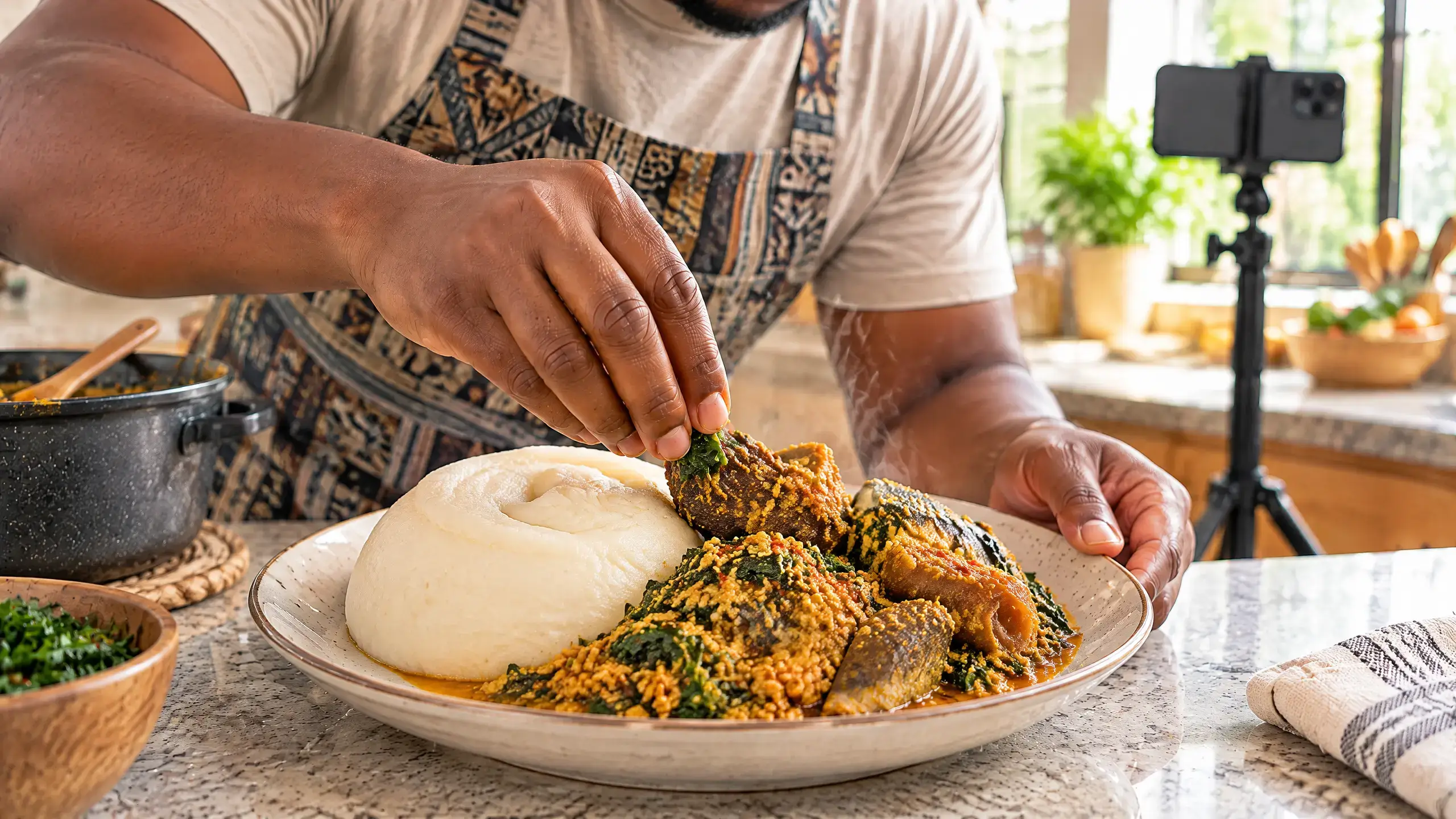
Reelnosh is choosing to understand the food experience before building delivery infrastructure around it.
Why Food Creators Need You to Order Ahead
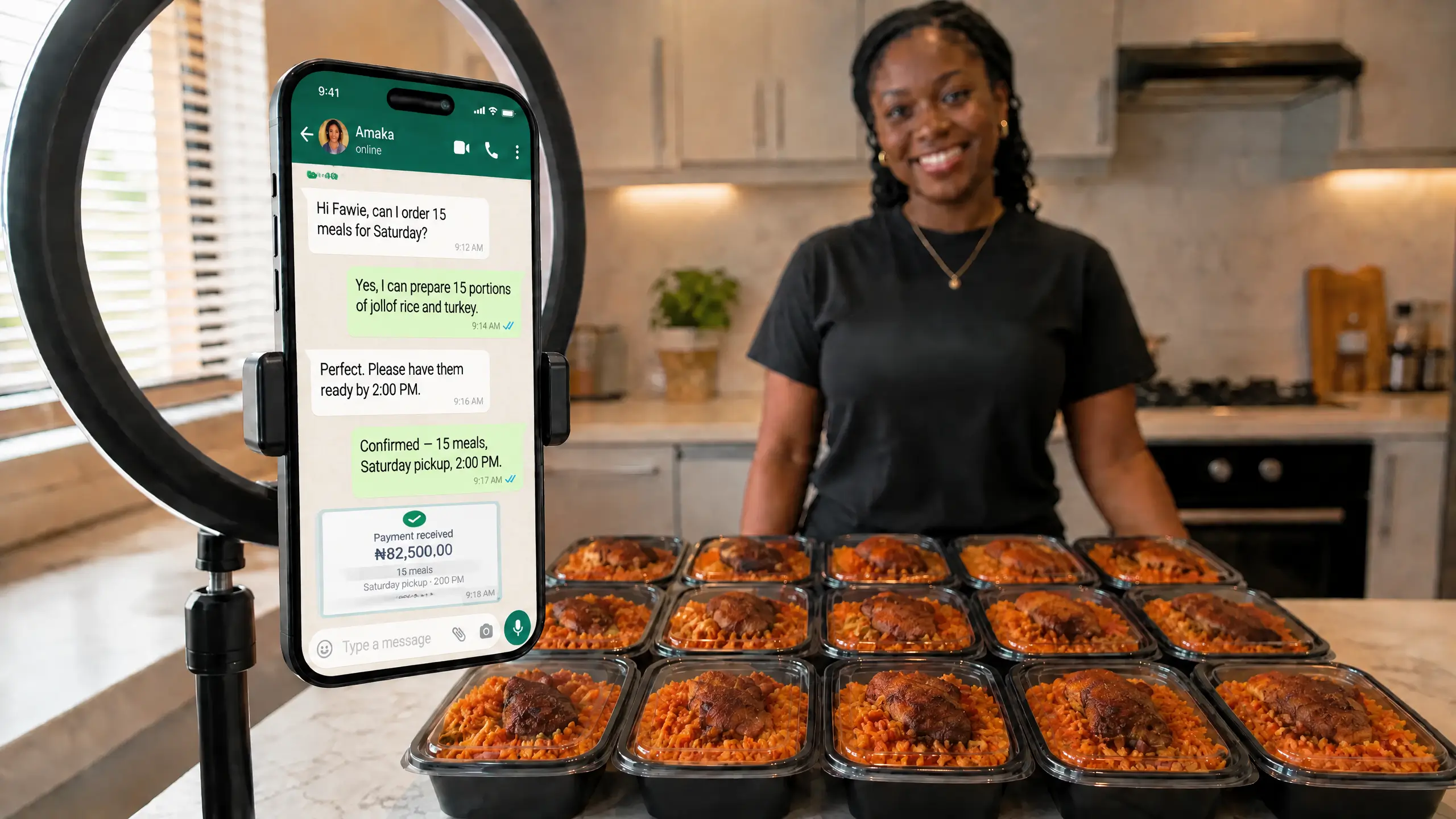
Food creators often ask customers to order 24–48 hours ahead so they can plan production, control costs, and reduce waste. But when advance ordering is the only way to buy, it can leave out people who discover the food today and want to eat it now.
What Predictable Demand Could Mean for Food Creators
What if creators could understand how many people actually want their food before they make it? Predictable demand could change how culinary creators think about cooking, selling, and building sustainable food businesses.