

What Predictable Demand Could Mean for Food Creators
What if creators could understand how many people actually want their food before they make it? Predictable demand could change how culinary creators think about cooking, selling, and building sustainable food businesses.

Kudirat Ijeoma
Founder & CEO, Reelnosh
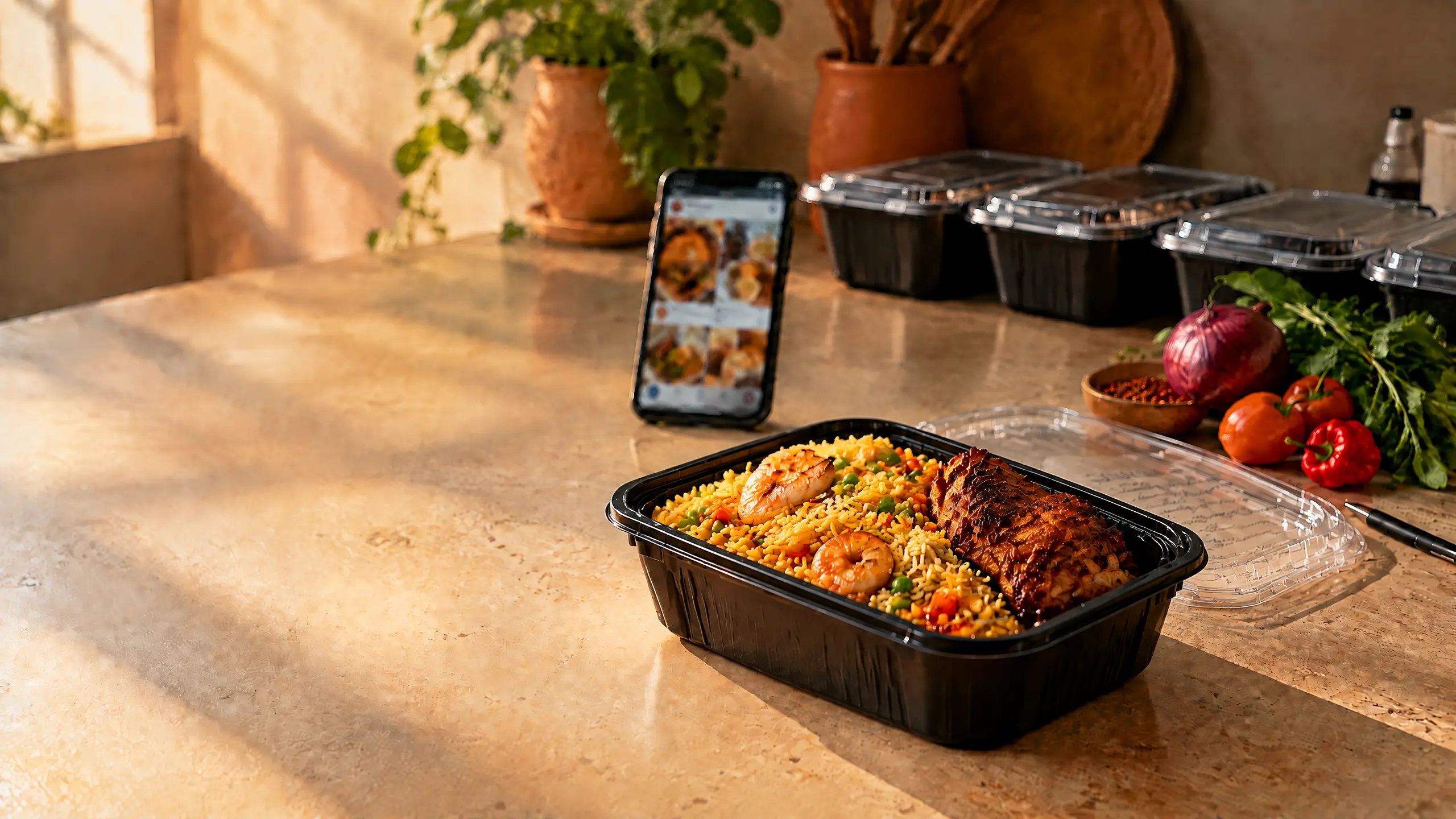
For many food creators, the challenge is not getting attention. It is knowing which signals show that people may actually want to buy the food. Predictable demand begins with one question: How many people want what I’m about to make?
The Creator’s Guesswork Problem
A creator may receive comments such as
“I need this,” “How much?,” “Can I order?,” “Please make this again.”
Those responses are encouraging, but they do not necessarily tell the creator how many people would actually buy the meal.
So creators often have to guess.
- How much should I make?
- Will people order?
- Should I buy the ingredients?
- Is this worth doing again?
The cost of being wrong is real. Food has ingredients, preparation time, packaging, and other resources attached to it. A creator may spend money and effort preparing something that receives attention but does not generate enough orders to make production worthwhile.
This is why the difference between attention and intent matters. Not every response carries the same meaning, and not every form of engagement gives a creator useful information about what to make next.
Not every response carries the same meaning, and not every form of engagement gives a creator useful information about what to make next.
From Interest to Action
Predictable demand is not about knowing exactly what everyone will buy. It is about getting closer to knowing who is interested enough to act.
There is a meaningful difference between:
“This looks delicious.”
and:
“I’d buy this if you made it.
One expresses appreciation. The other points toward potential demand.
The more clearly creators can identify these signals, the less they have to rely entirely on guesswork. A question about price may not become an order. A request for a particular day may not become a completed purchase. But these responses can tell a creator more than a view alone.
Predictable demand does not mean guaranteed sales. It means having stronger evidence of interest before committing ingredients, time, packaging, and other resources.
What If Creators Could Know Before They Cook?
Imagine a creator considering whether to make a particular meal.
Instead of simply posting it and hoping people respond, they could see that a group of people had already expressed interest in getting it.
That changes the decision.
The creator is not just asking:
“Will people like this?”
They are asking:
“Do enough people want this to make it worth producing?”
That is a much more useful question for a food business.
It does not remove uncertainty. People change their minds. Plans change. Prices change. Circumstances change. But better information can help creators make smaller, more informed decisions before committing to larger production.
Predictable Demand Does Not Mean Guaranteed Sales
Demand will never be perfectly predictable.
The goal is not certainty. The goal is better information before committing resources.
Even knowing that ten people have expressed genuine interest can be more useful for a production decision than knowing that ten thousand people watched a video.
The numbers measure different things.
Ten thousand views may show reach. Ten people expressing genuine interest may provide a more useful starting point for deciding whether to prepare a limited number of servings. Neither number guarantees a sale, but each can help answer a different question.
From Followers to People Who Want the Food
A large audience can be valuable.
But for a food creator, there is another valuable question:
How many people want to eat what I make?
That distinction opens up a different way of thinking about creator growth.
The goal is not only to build an audience that watches. It is to build a community that participates.
Food content can create appetite, conversation, identity, and connection. But the experience does not have to end on the screen. When people want the finished meal, the next question is how that desire can become a real-world experience.
Adding a New Layer to the Food Business
Predictable demand does not mean that creators have to abandon the way they currently work.
A creator can continue selling from home, serving existing customers, taking bulk orders, accepting event bookings, or operating through any other channel that already works for them. Reelnosh is not asking creators to close those channels or replace their current business model.
The Reelnosh Drop is designed to add another layer: a way to make a limited number of servings available to people who have seen the food and want to order it.
That is the thinking behind the Reelnosh Drop.
See the food. See the Drop. Order a serving. Get the meal.
The model starts with demand rather than production at scale. It can sit alongside a creator’s existing operation, helping them serve a different kind of customer without requiring them to change where they cook, how they sell, or what they already offer.
This is part of a broader shift from digital attention toward real-world creator commerce. For culinary creators, the product is not separate from the content. The meal is already part of the creative work.
What Reelnosh Is Exploring
Reelnosh is exploring what happens when the signals around food content can lead somewhere more tangible.
Not every view becomes a customer. Not every comment represents demand. But somewhere between “I like this” and “I want this” is information that creators can use.
Not every view becomes a customer. Not every comment represents demand. But somewhere between “I like this” and “I want this” is information that creators can use.
That information could help food creators move from guessing what their audience might buy to making better decisions about what people may be ready to order.
Predictable demand is not about removing uncertainty. It is about making better decisions with the signals already around you.
Reelnosh
Where food content becomes meals.
Stay close to what
we're building.
Join the Foodies Club on WhatsApp for early Drop updates, food conversations, and a say in the experiences we explore.
Why We're Not Building Delivery Yet
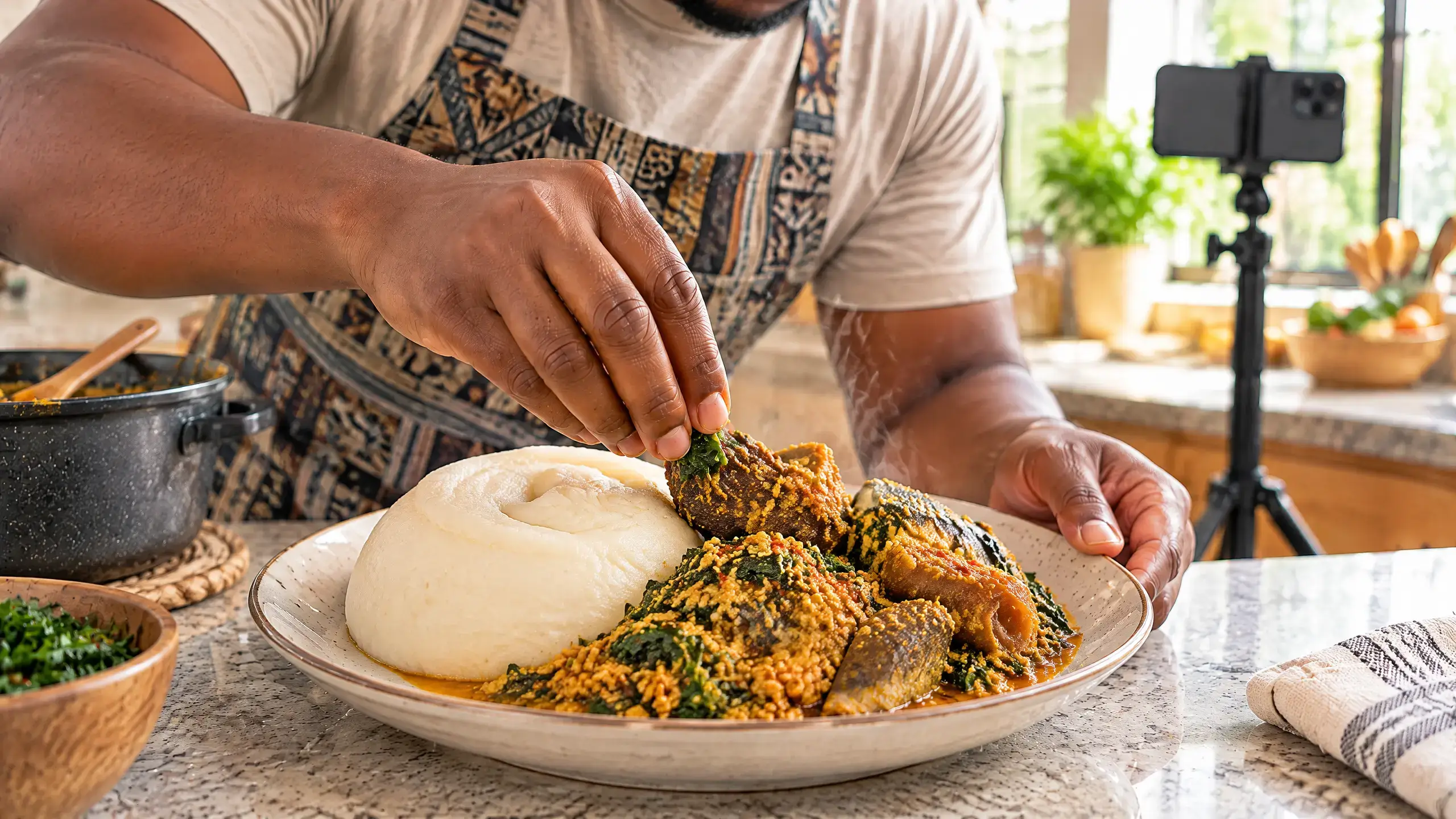
Reelnosh is choosing to understand the food experience before building delivery infrastructure around it.
Why Food Creators Need You to Order Ahead
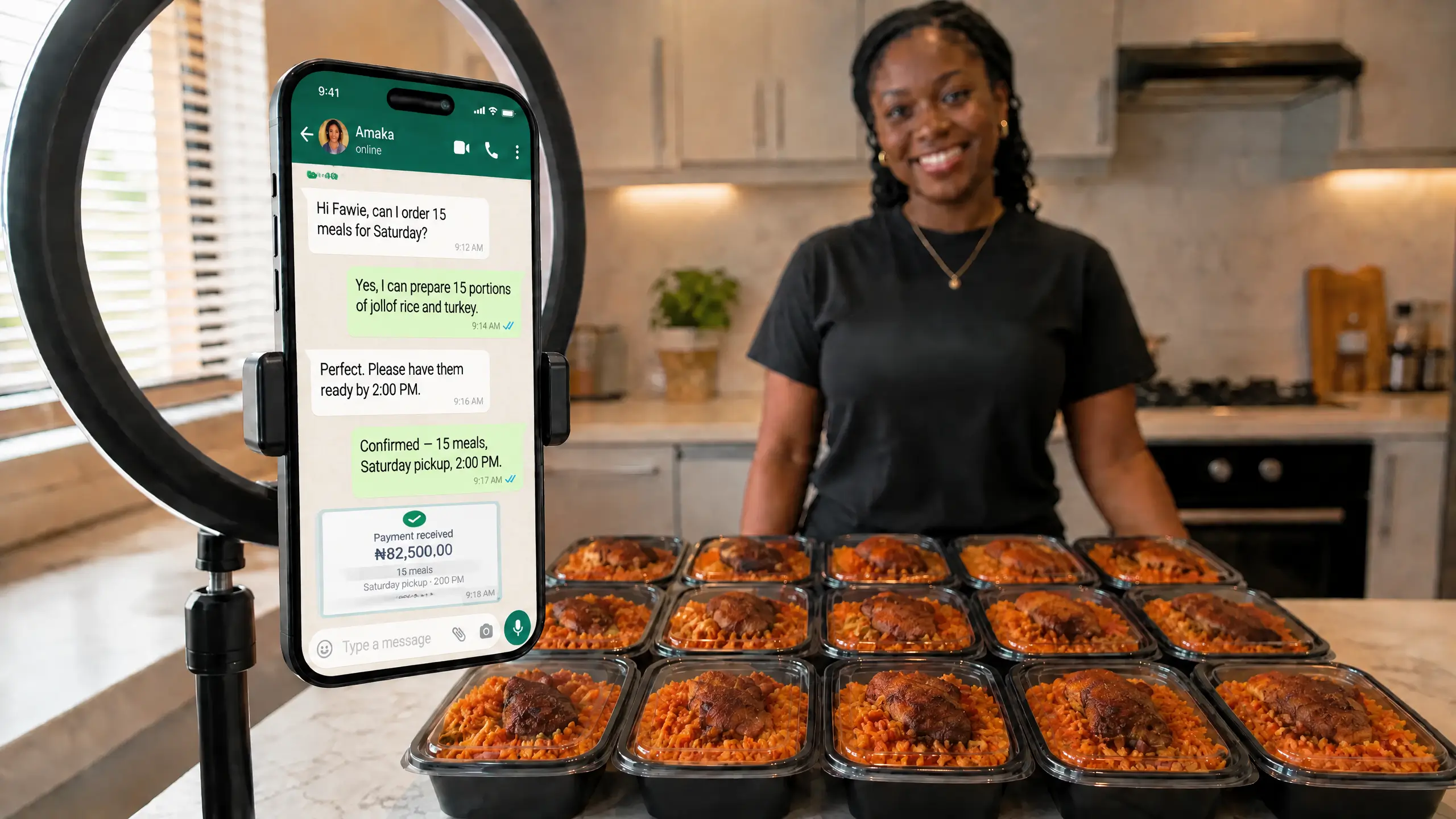
Food creators often ask customers to order 24–48 hours ahead so they can plan production, control costs, and reduce waste. But when advance ordering is the only way to buy, it can leave out people who discover the food today and want to eat it now.
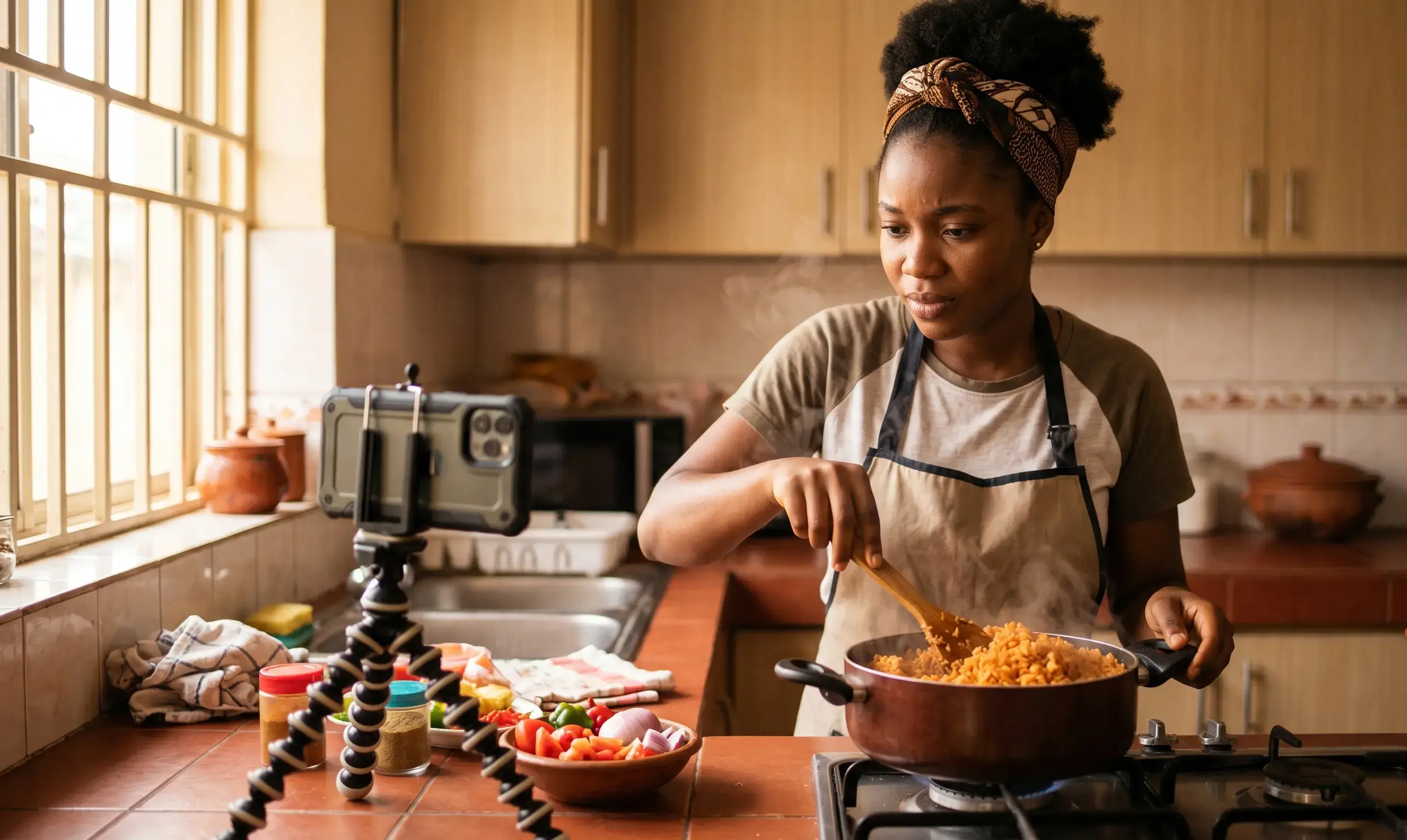
Why Food Content Never Became Meals (Until Now)
For years, Nigerian food creators have built massive audiences watching them cook. But turning views into hot meals has always fallen apart.