

The Difference Between Attention and Intent
Not everyone watching your food content wants to eat it. But some signals reveal much more than a view ever could.

Kudirat Ijeoma
Founder & CEO, Reelnosh

Food creators have no shortage of attention. The harder question is understanding what that attention actually means. A view shows that someone watched. A comment shows that someone responded. But some signals can reveal something much closer to demand.
Not All Engagement Means the Same Thing
A million views can tell you that something caught attention.
It doesn't necessarily tell you that people want the food.
Compare:
“This looks good.”
with:
“How much is this?”
Or:
“Recipe please.”
with:
“Can I order one?”
They're all engagement.
But they don't represent the same level of intent.
Attention Is Easy to Measure
Views. Likes. Shares. Saves. Comments. Followers.
Platforms have become exceptionally good at measuring attention.
But attention answers:
Did people notice this?
It doesn't necessarily answer:
Do people want this?
That's the distinction.
Intent Leaves Different Signals
Someone who wants to act often behaves differently from someone who simply enjoyed the content.
For food creators, signals might include:
- asking for the price
- asking whether they can order
- asking where the creator is located
- asking when the food will be available
- asking for another serving
- repeatedly responding to similar meals
- asking the creator to make a particular dish
None of these guarantees a purchase.
But collectively, they can tell a creator something that views alone cannot:
There may be demand here.
The Problem With Treating Every Comment Equally
A creator might receive 500 comments.
But perhaps:
- 400 are reactions
- 70 are questions
- 20 are requests for the recipe
- 8 ask about ordering
- 2 ask when the next batch is available
The raw comment count is 500.
The actionable signals are much smaller.
That doesn't make the other 490 comments worthless. It means engagement needs context.
Intent Is Not the Same as a Sale
This distinction is important.
Intent exists on a spectrum.
Someone can be curious, interested, considering, ready to buy, or actually purchasing.
So the goal isn't to turn every comment into a transaction.
It's to understand which behaviours are closer to action.
What Food Creators Could Learn From Their Audience
Instead of asking only:
“How many people watched this?”
Creators could also ask:
“What did people actually want to do next?”
That changes what they learn from their audience.
Maybe people don't want another recipe.
Maybe they want the finished meal.
Maybe they want a particular portion size.
Maybe they want it on a particular day.
Maybe they want to know where they can get it.
The audience may already be telling the creator what it wants, but the signal can be buried inside ordinary engagement.
The future isn't necessarily about abandoning views, likes, or followers.
From Audience Metrics to Demand Signals
The future isn't necessarily about abandoning views, likes, or followers.
It's about adding another layer of understanding.
Who is watching? Who is interested? Who wants to participate?
Food creators don't need to stop caring about attention.
Attention is what brings people to the table.
But attention isn't the whole story.
The more interesting question is what people do after they notice the food.
That's where intent begins.
And understanding intent may be one of the first steps toward understanding real demand.
Reelnosh
Where food content becomes meals.
Stay close to what
we're building.
Join the Foodies Club on WhatsApp for early Drop updates, food conversations, and a say in the experiences we explore.
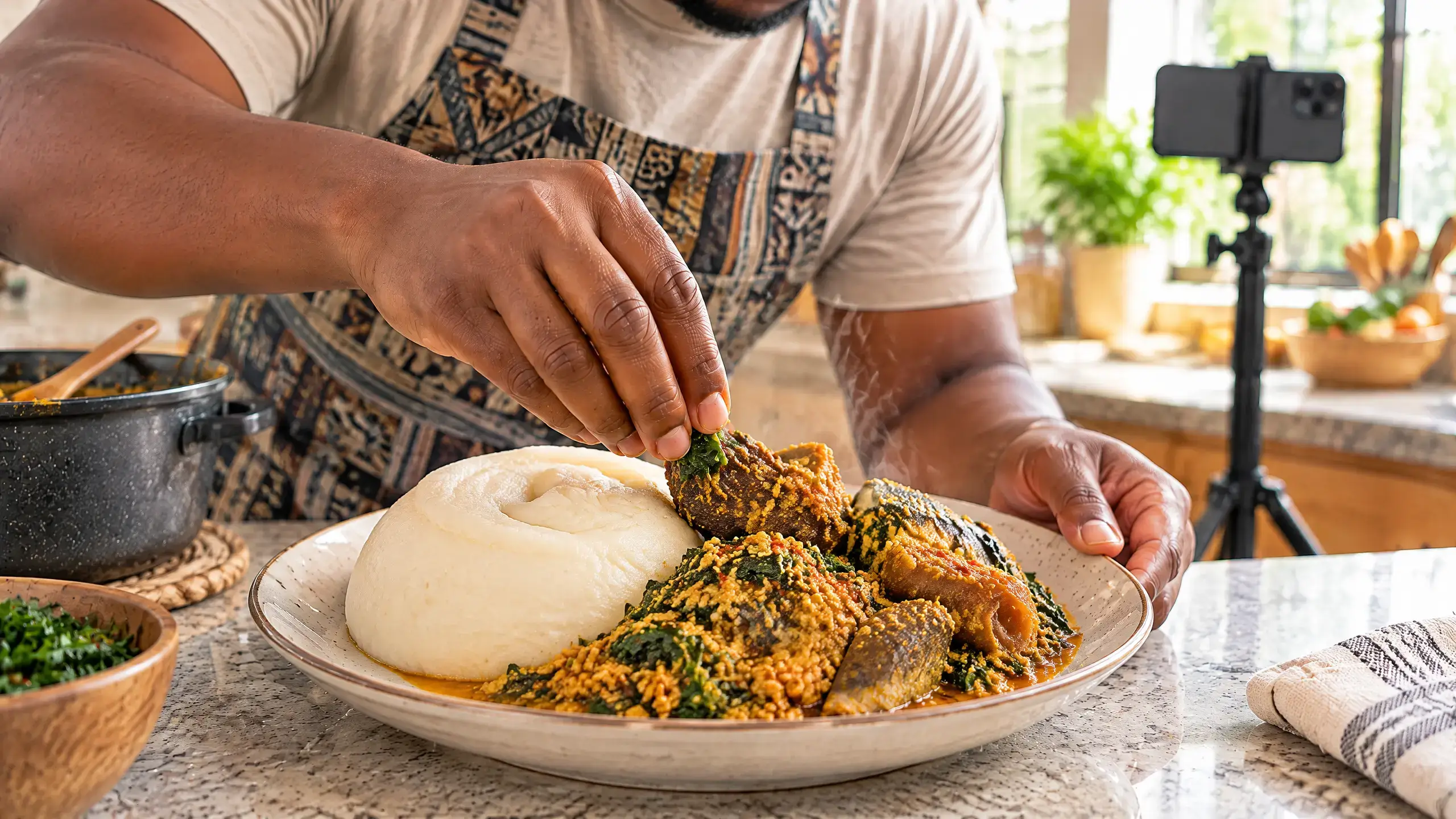
Why We're Not Building Delivery Yet
Reelnosh is choosing to understand the food experience before building delivery infrastructure around it.
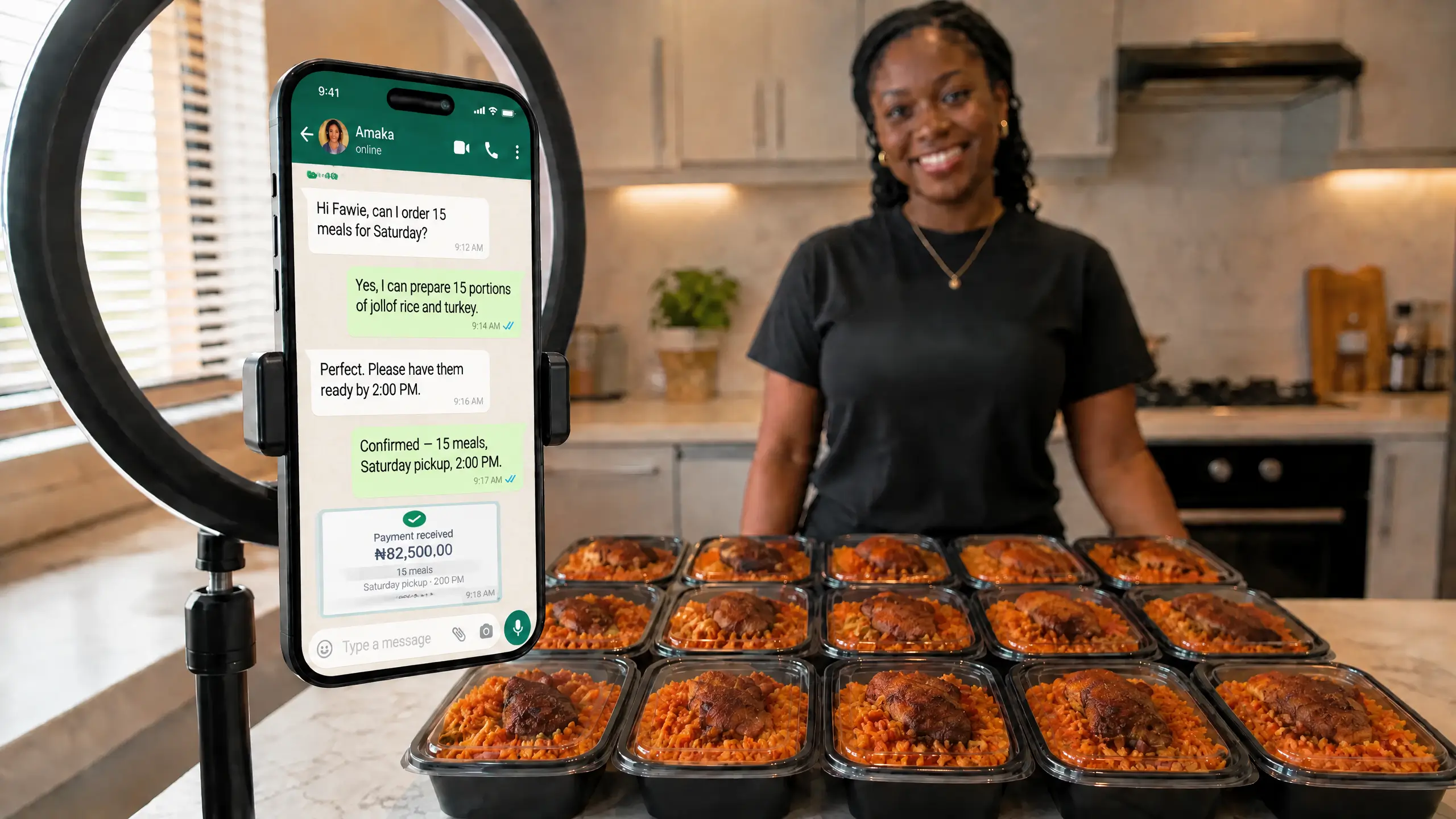
Why Food Creators Need You to Order Ahead
Food creators often ask customers to order 24–48 hours ahead so they can plan production, control costs, and reduce waste. But when advance ordering is the only way to buy, it can leave out people who discover the food today and want to eat it now.
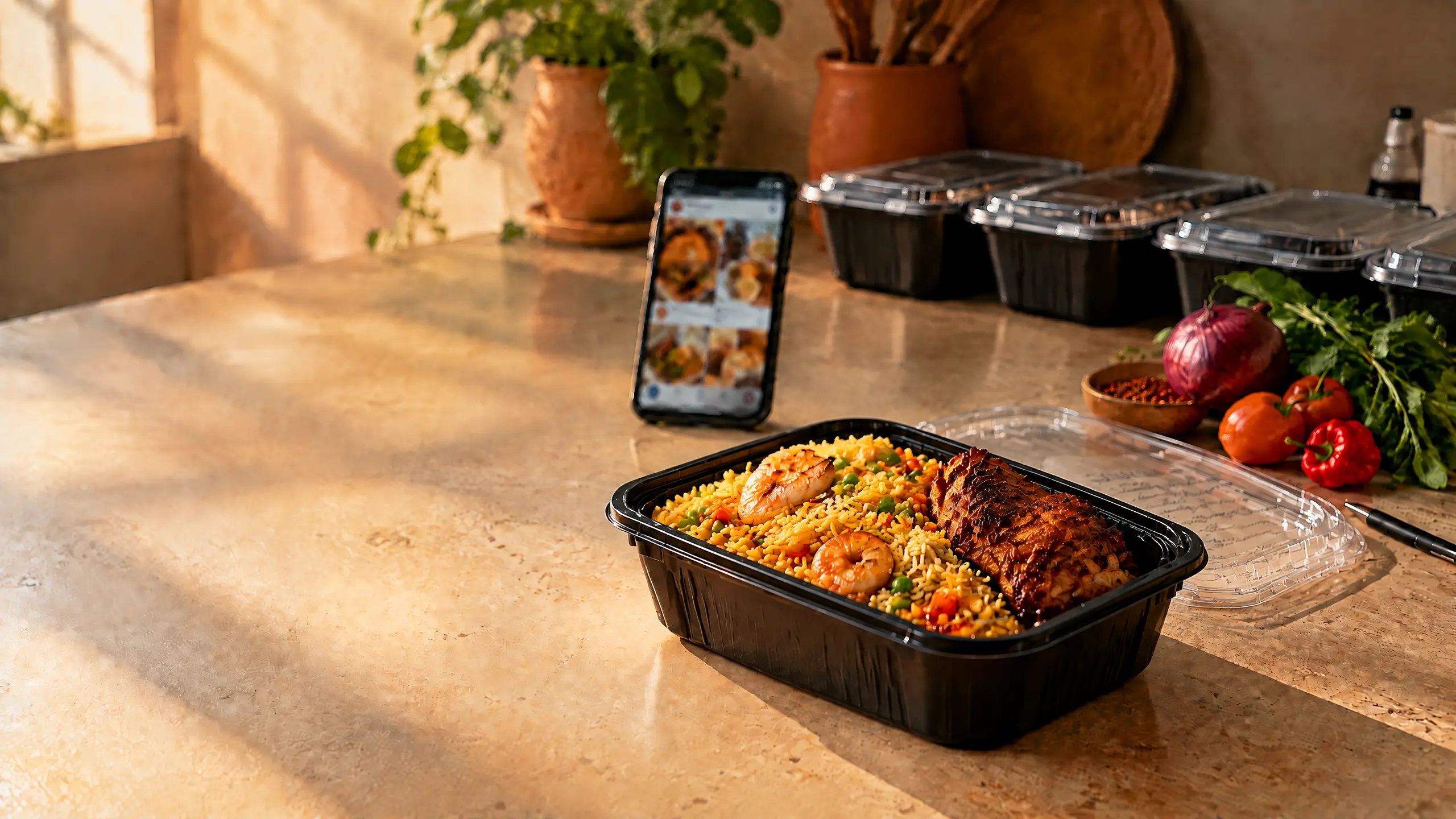
What Predictable Demand Could Mean for Food Creators
What if creators could understand how many people actually want their food before they make it? Predictable demand could change how culinary creators think about cooking, selling, and building sustainable food businesses.