

Why Food Content Never Became Meals (Until Now)
For years, Nigerian food creators have built massive audiences watching them cook. But turning views into hot meals has always fallen apart.

Kudirat Ijeoma
Founder & CEO, Reelnosh
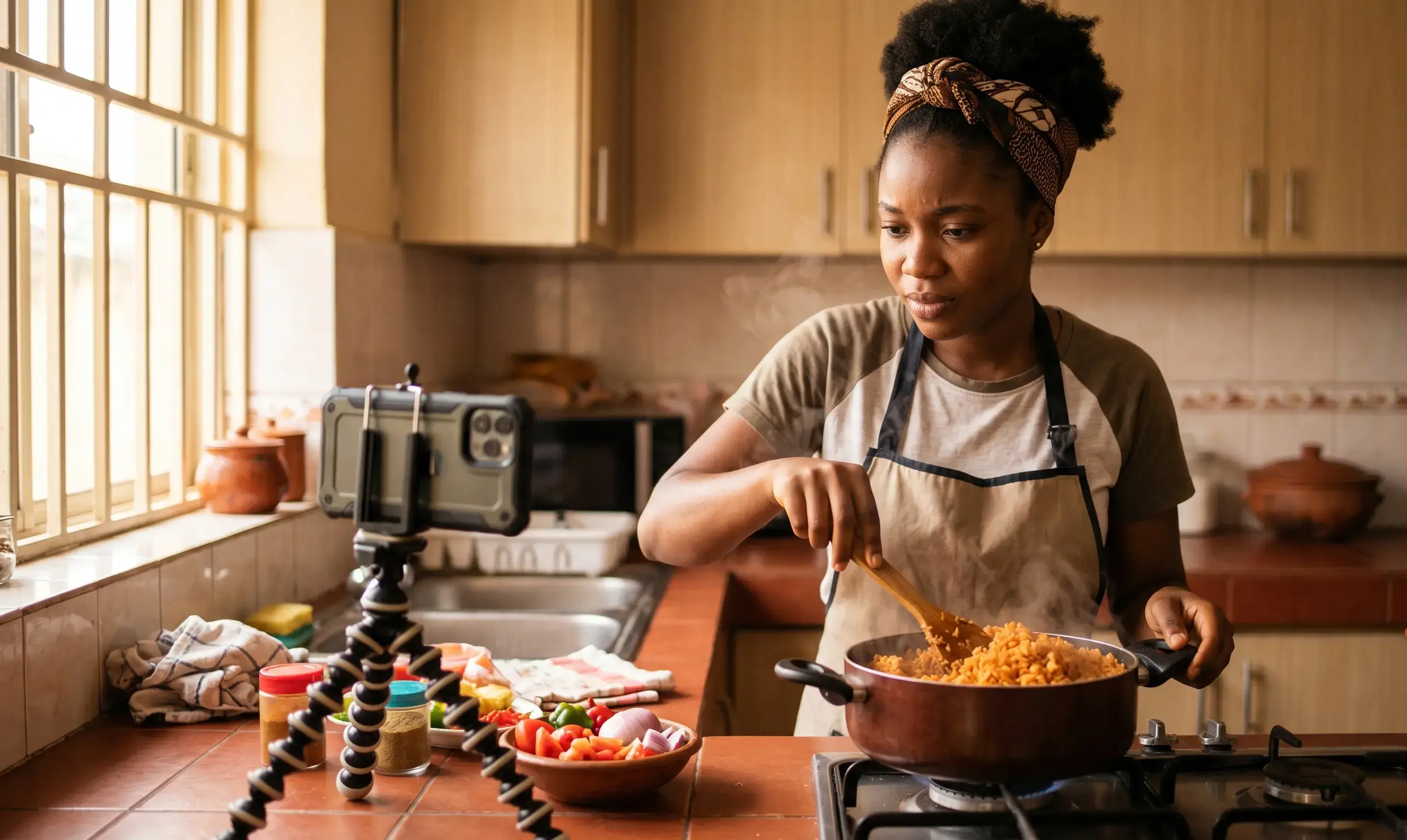
Every day, people scroll through hypnotic food content on Instagram and TikTok. Mouth-watering jollof, bubbling seafood okro, sizzling suya burgers. But when lunchtime arrives, you are back to calling the same three local vendors or ordering from standard delivery apps that offer the exact same corporate menus.
The Missing Bridge in Nigerian Food Culture
“Nigerian food content has become incredibly good at creating appetite, but not every response carries the same intent. A creator cooks something on camera, thousands of people watch, comment, save, share, and say some version of “I need this.”
But there is often a gap between that moment of desire and the moment someone can actually eat the food.
The creator may not be taking orders. The video may be instructional. The food may be available only through a preorder. The creator may be too far away. Or there may simply be no clear next step.
The appetite is real. The path to the plate isn't.
The appetite is real. The path to the plate isn't.
Food Content Is More Than Content
Food content in Nigeria is not just cooking tutorials; it is entertainment, cultural identity, and storytelling, aspiration, and community. Creators spend hours developing recipes, filming, editing, and building audiences around food. But the value created by that work often remains inside the digital ecosystem: views, comments, shares, sponsorships, and brand deals.
The food itself is still waiting on the other side of the screen.
The food is already there. The audience is already there. What has been missing is the bridge between them.
Food content should not stop at content. It should lead to the food actually being eaten.
The food is already there. The audience is already there. What has been missing is the bridge between them.
The opportunity is not necessarily to turn every creator into a restaurant.
It is to create a way for the food they already make to move from the screen into real-world experience.
Turning Community Taste Into Drops
Reelnosh changes this dynamic. Instead of building brick-and-mortar kitchens or running a standard restaurant delivery app, we organize creator food Drops; limited, high-demand batches made available exclusively to community members.
A Drop is intentionally small.
-
One creator.
-
One meal.
-
A limited number of servings.
-
People who actually want it.
The idea is simple:
See the food → see the Drop → order a serving → get the meal.
Instead of asking creators to produce at scale and hope people buy, the model explores what happens when community interest can help shape what gets made.
The Future of Creator-Led Food
The future of food delivery is creator-led, communal, and ephemeral.
It is food made by people you already follow, shaped by communities that already care, and available for a limited moment.
Not every meal needs to become a permanent menu item.
Some meals can simply be worth showing up for.
We are starting right here in Lagos.
Reelnosh
Where food content becomes meals.
Stay close to what
we're building.
Join the Foodies Club on WhatsApp for early Drop updates, food conversations, and a say in the experiences we explore.
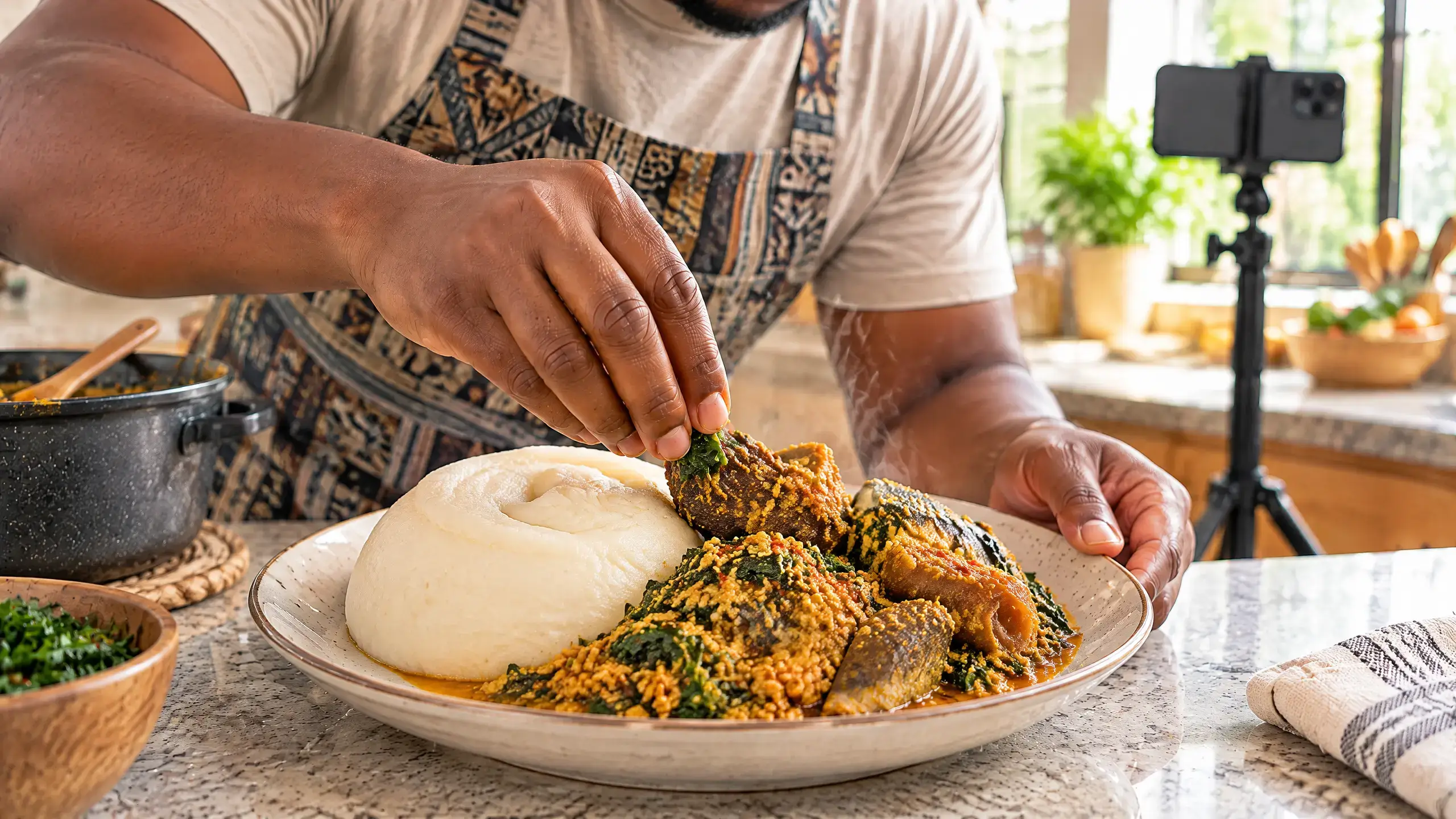
Why We're Not Building Delivery Yet
Reelnosh is choosing to understand the food experience before building delivery infrastructure around it.
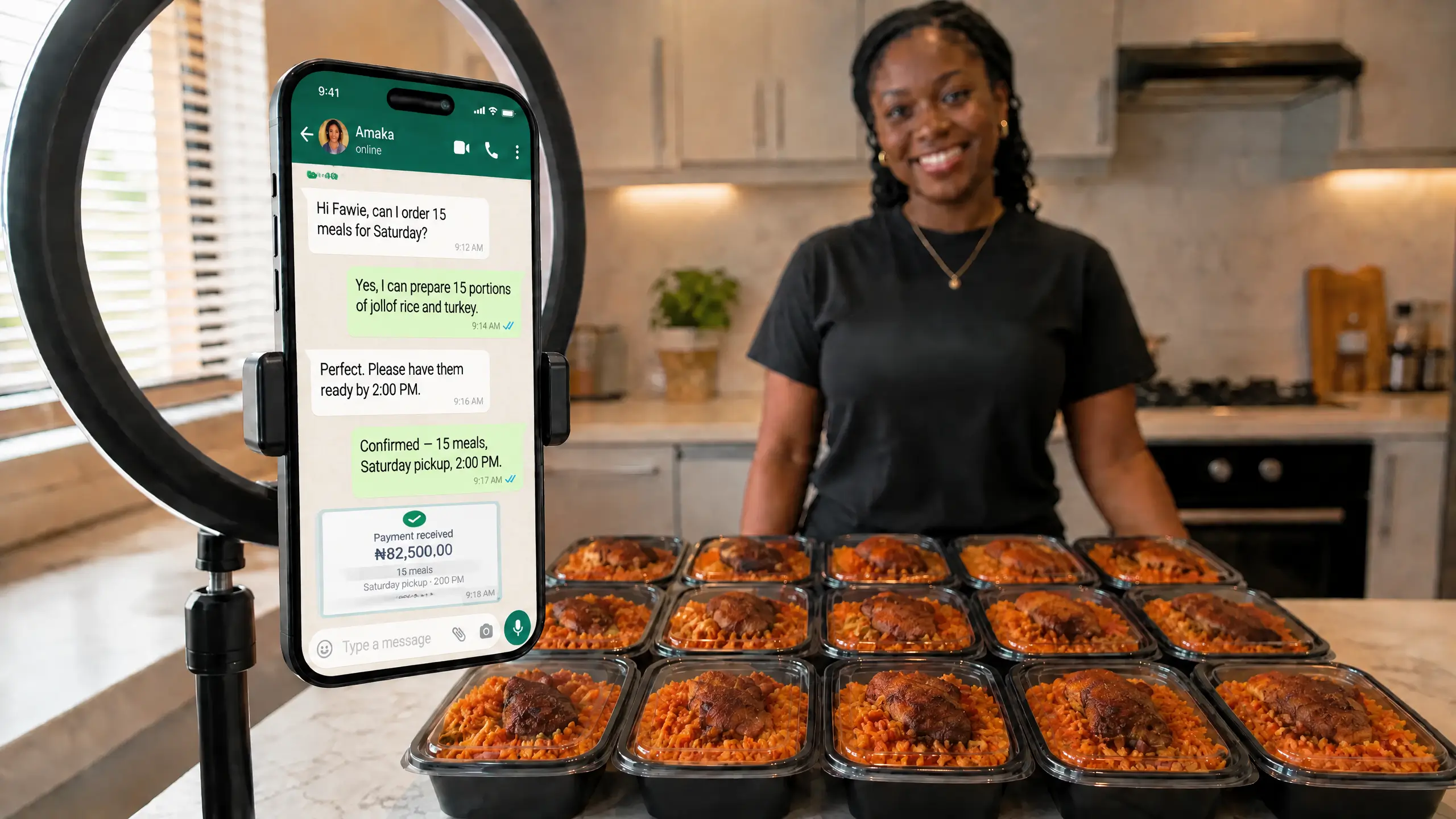
Why Food Creators Need You to Order Ahead
Food creators often ask customers to order 24–48 hours ahead so they can plan production, control costs, and reduce waste. But when advance ordering is the only way to buy, it can leave out people who discover the food today and want to eat it now.
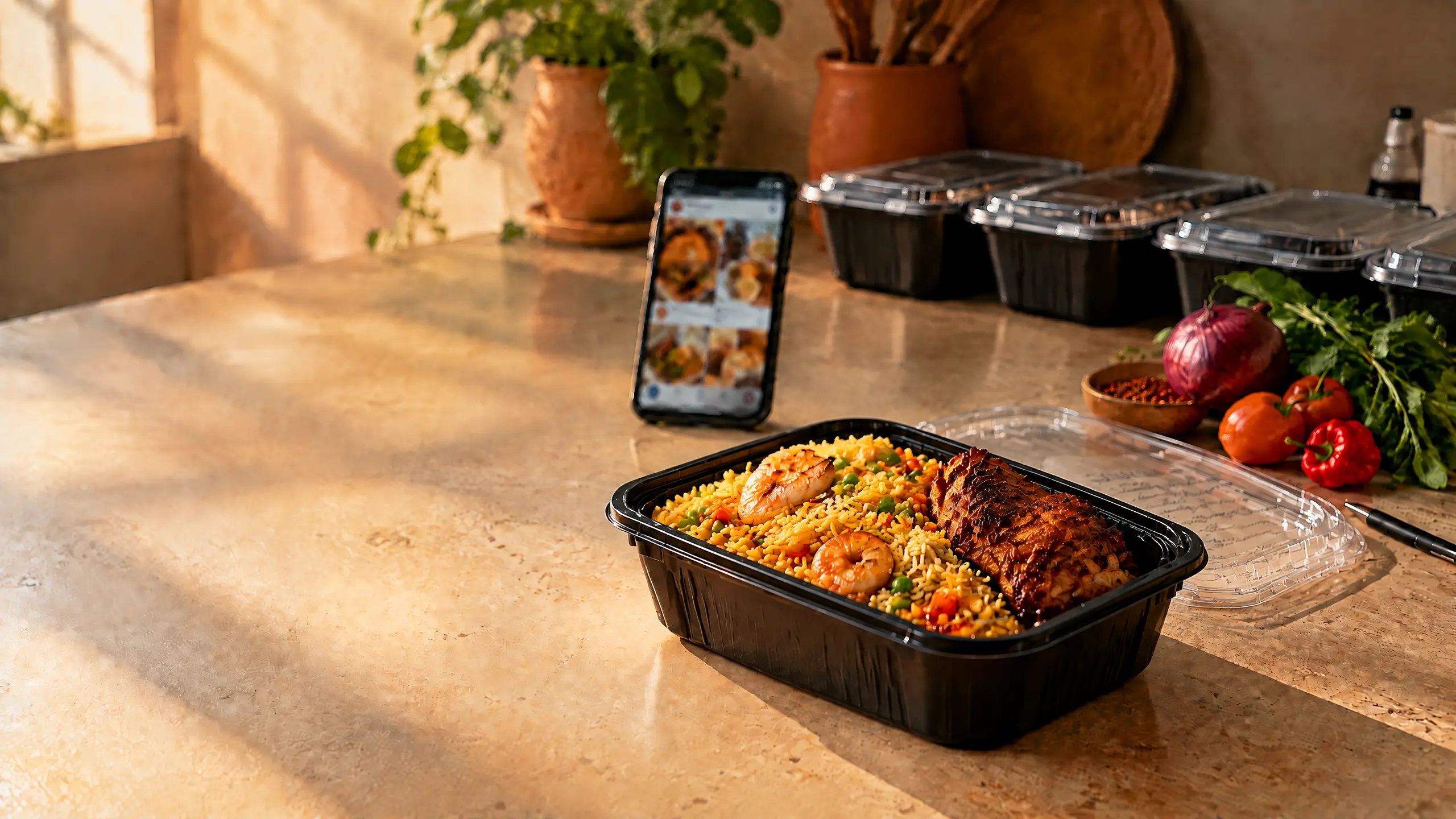
What Predictable Demand Could Mean for Food Creators
What if creators could understand how many people actually want their food before they make it? Predictable demand could change how culinary creators think about cooking, selling, and building sustainable food businesses.