

Why We're Not Building Delivery Yet
Reelnosh is choosing to understand the food experience before building delivery infrastructure around it.

Kudirat Ijeoma
Founder & CEO, Reelnosh
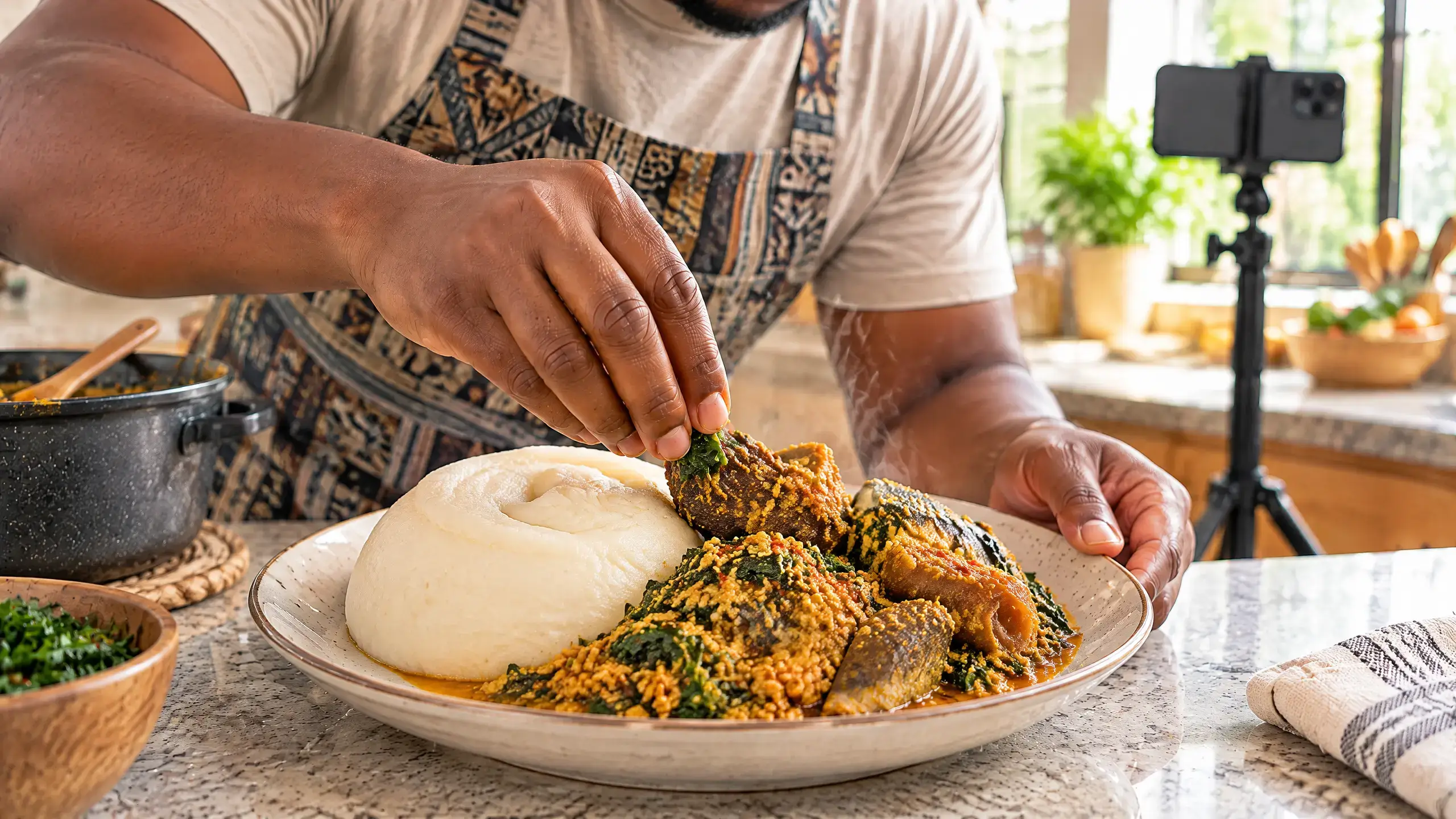
Reelnosh is exploring what happens when food created by people online can become something people experience in real life.
It might seem natural to build delivery into that experience from the beginning. But we don't think every piece of infrastructure needs to exist on day one.
We're still learning what creator-led food Drops actually need.
Before we build fleets, tracking systems, or dispatch operations, we want to understand the more fundamental journey:
Creator prepares the food → Reelnosh structures the Drop → people participate → the meal reaches them.
The question isn't simply how to move food from one place to another. It's how to build an experience around food that starts with a creator and ends with someone actually enjoying what they made.
Delivery Isn't the First Problem We're Solving
Delivery is already an established part of food commerce. There are dispatch riders, logistics companies, tracking systems, and delivery platforms.
Reelnosh doesn't need to rebuild all of that immediately.
Our first questions are closer to the food itself.
How many servings can a creator realistically prepare?
How do people respond when that food becomes available?
What information do diners need before participating?
What makes the experience feel trustworthy?
How should the handoff work?
What happens when demand is higher than the number of servings available?
These are questions we need to learn through actual Drops.
Before building the infrastructure around the experience, we need to understand the experience itself.
Why We're Starting With Small Drops
A Drop is limited because the food is limited.
A creator may be preparing food from a home kitchen, an outdoor setup, a pop-up space, or another preparation environment that works for them. Their available ingredients, equipment, time, space, and energy all affect how much they can realistically make.
Reelnosh isn't trying to turn that into unlimited production.
If a creator can prepare 10 servings, the Drop capacity can be 10.
If they can comfortably prepare five, it can be five.
The constraint comes from the creator's actual preparation capacity.
This keeps the experience grounded in what is genuinely available rather than creating artificial scarcity to encourage purchases.
A Drop is limited because the food is limited.
What the First Drops Can Teach Us
The early Drops aren't just about selling servings.
They're an opportunity to learn.
Which meals work well for a limited Drop?
How much food can a creator comfortably prepare?
What happens when more people want the meal than there are servings?
How should the handoff be organized?
Which details do diners care about?
What makes someone come back for another Drop?
These are things we can't fully answer from a spreadsheet or a delivery dashboard.
They have to be experienced.
Every Drop can give us operational information about the relationship between creator capacity, food, demand, and participation.
That learning will eventually help determine what infrastructure Reelnosh actually needs.
Why Delivery Comes Later
There is a temptation to build everything at once.
Ordering.
Payments.
Delivery.
Tracking.
Notifications.
Dashboards.
But building all of these systems before understanding the behaviour underneath them can mean automating assumptions.
Reelnosh would rather start smaller.
A creator prepares the food.
A Drop becomes available.
People claim the available servings.
A handoff arrangement and time window are defined.
The meal reaches the diner.
Then we observe what worked, what didn't, and what needs to change.
The goal is to learn the system before we automate the system.
The Handoff Is Part of the Experience
The movement of a meal is only one part of what we're learning.
A Reelnosh Drop starts much earlier.
Someone discovers a creator's food.
The food creates interest.
The creator makes a limited number of servings.
People decide to participate.
Reelnosh structures the experience around that availability.
And eventually, the meal reaches the person who wanted it.
That entire journey matters.
The handoff shouldn't be treated as an afterthought simply because it happens at the end.
It's part of the experience we're building.
This connects to the broader question explored in what happens between food content and actual consumption how do we move from seeing food to actually experiencing it?
Delivery Can Come When It Makes Sense
This doesn't mean delivery will never be part of Reelnosh.
It means we don't want to build it simply because food platforms are expected to have it.
As we run Drops, we'll learn where delivery is useful and where other forms of fulfilment make more sense.
Some Drops may work better with a particular handoff arrangement.
Some may eventually require delivery.
Different foods, quantities, locations, and time windows may create different needs.
Those decisions should come from what we learn rather than from a predetermined assumption that every Drop needs the same logistics model.
We're not avoiding delivery. We're sequencing the infrastructure.
Build What the Food Experience Actually Needs
Reelnosh is still in the learning stage.
That gives us permission to keep some things simple.
We don't need a fleet because food delivery exists.
We don't need a tracking system because delivery apps have one.
We don't need to build infrastructure just to make Reelnosh look more complete.
We need to understand what creator-led food actually requires.
We'd rather learn what the food experience needs before building the infrastructure around it.
Then we can build around those findings.
The long-term opportunity isn't simply to move meals from one address to another.
It's to create the infrastructure that allows food discovered through creators to become real-world participation.
Delivery may become part of that infrastructure.
But first, we need to understand the experience we're building.
We'd rather learn what the food experience needs before building the infrastructure around it.
Reelnosh
Where food content becomes meals.
Stay close to what
we're building.
Join the Foodies Club on WhatsApp for early Drop updates, food conversations, and a say in the experiences we explore.
Why Food Creators Need You to Order Ahead
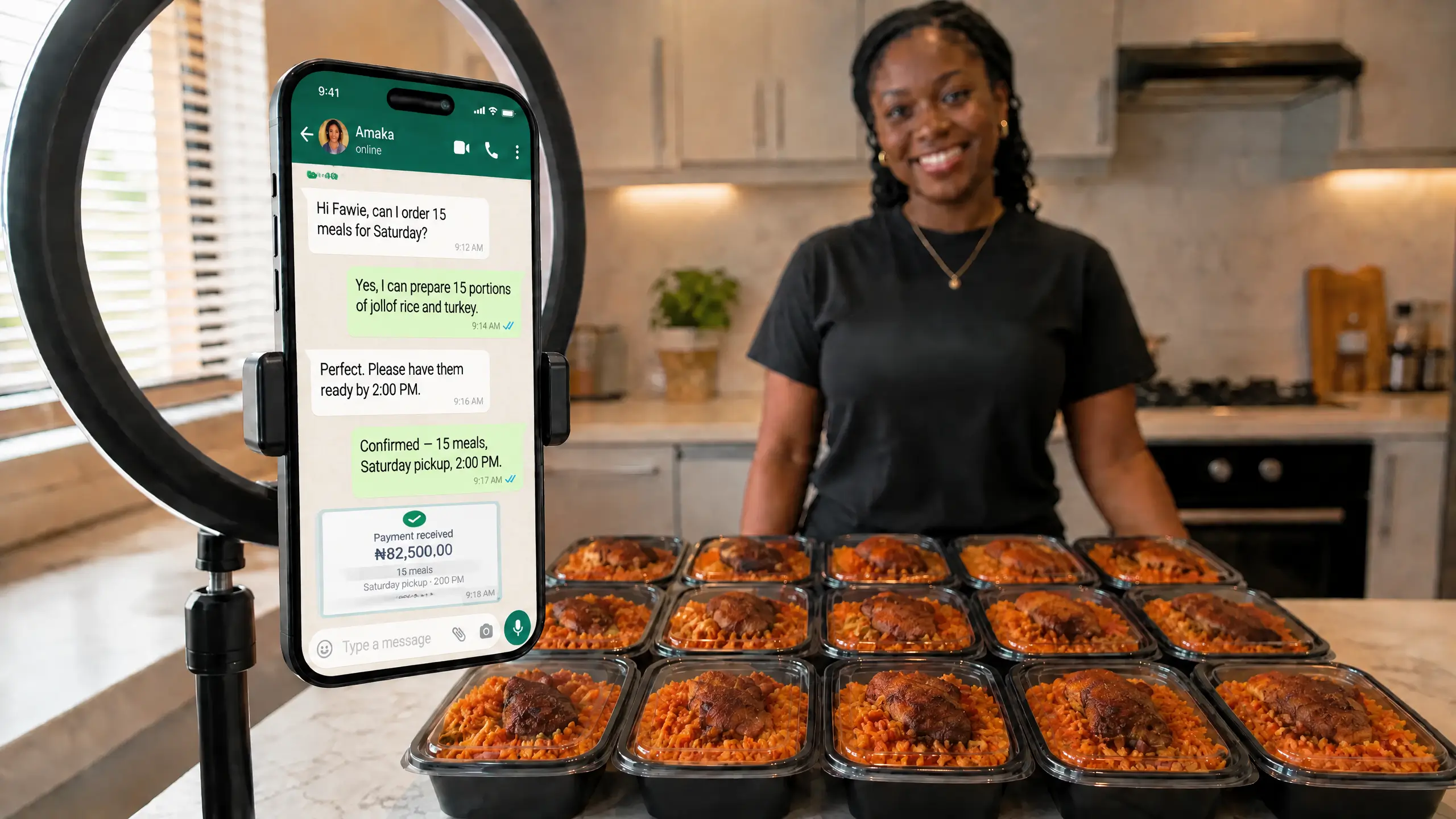
Food creators often ask customers to order 24–48 hours ahead so they can plan production, control costs, and reduce waste. But when advance ordering is the only way to buy, it can leave out people who discover the food today and want to eat it now.
What Predictable Demand Could Mean for Food Creators
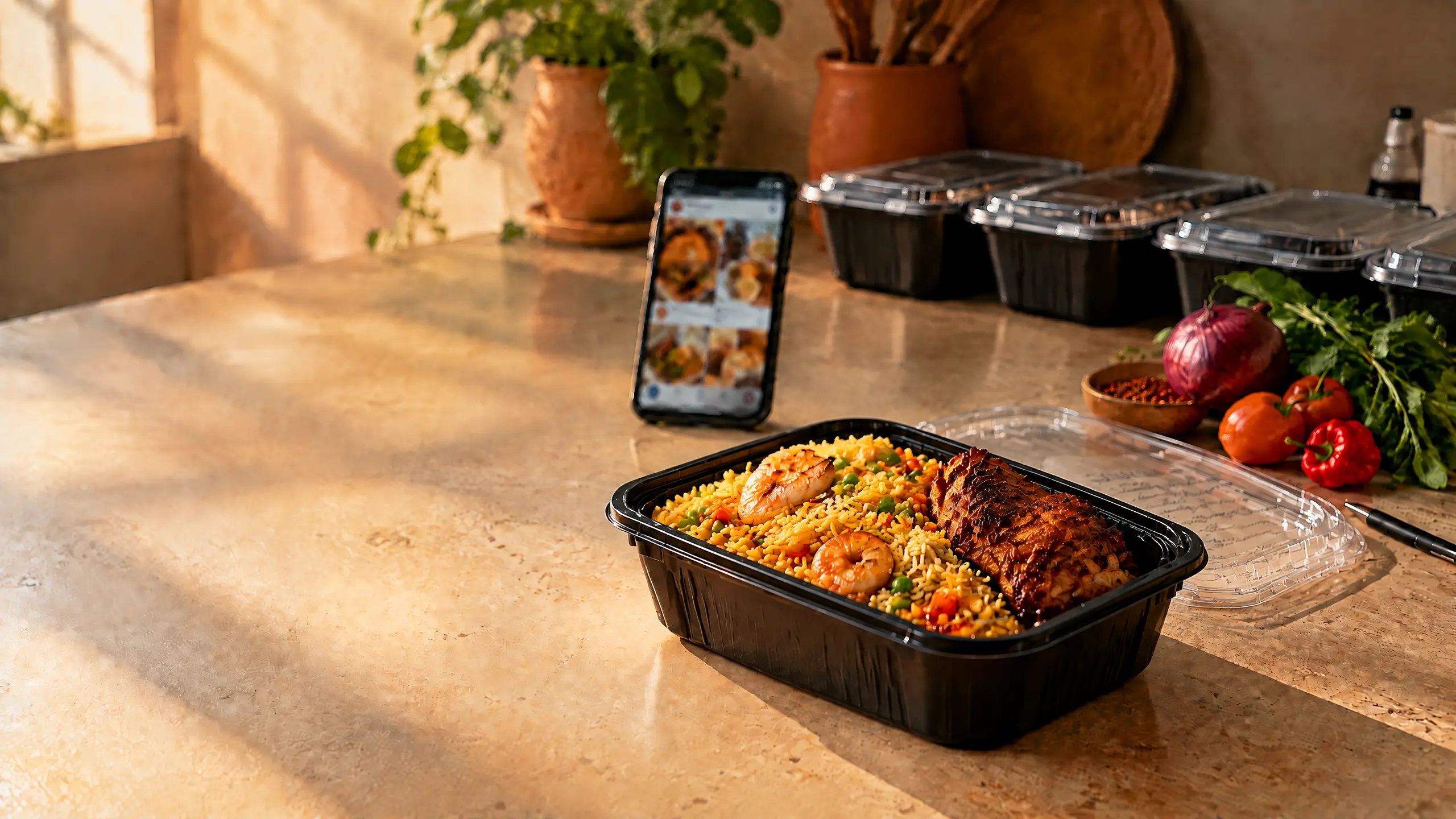
What if creators could understand how many people actually want their food before they make it? Predictable demand could change how culinary creators think about cooking, selling, and building sustainable food businesses.
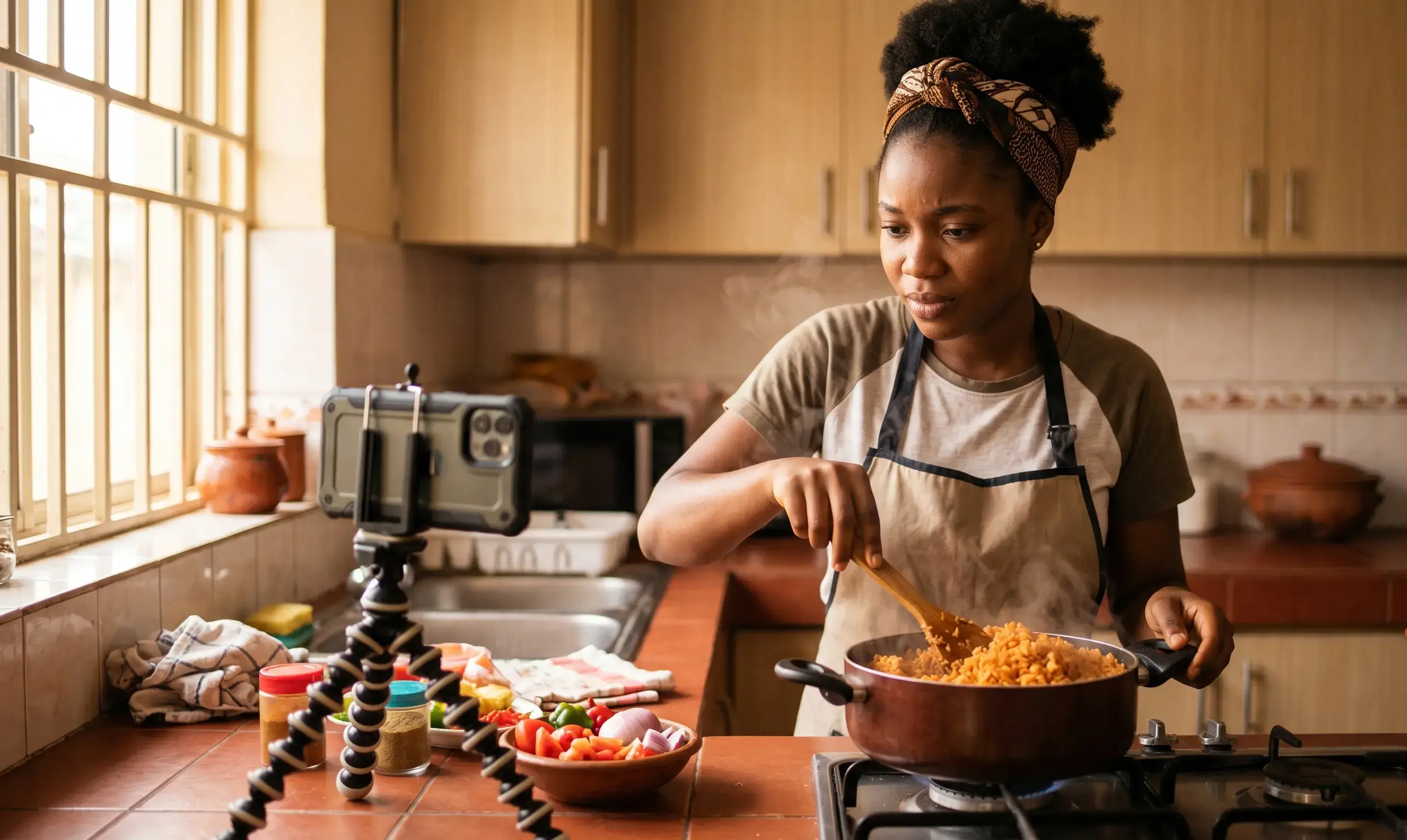
Why Food Content Never Became Meals (Until Now)
For years, Nigerian food creators have built massive audiences watching them cook. But turning views into hot meals has always fallen apart.